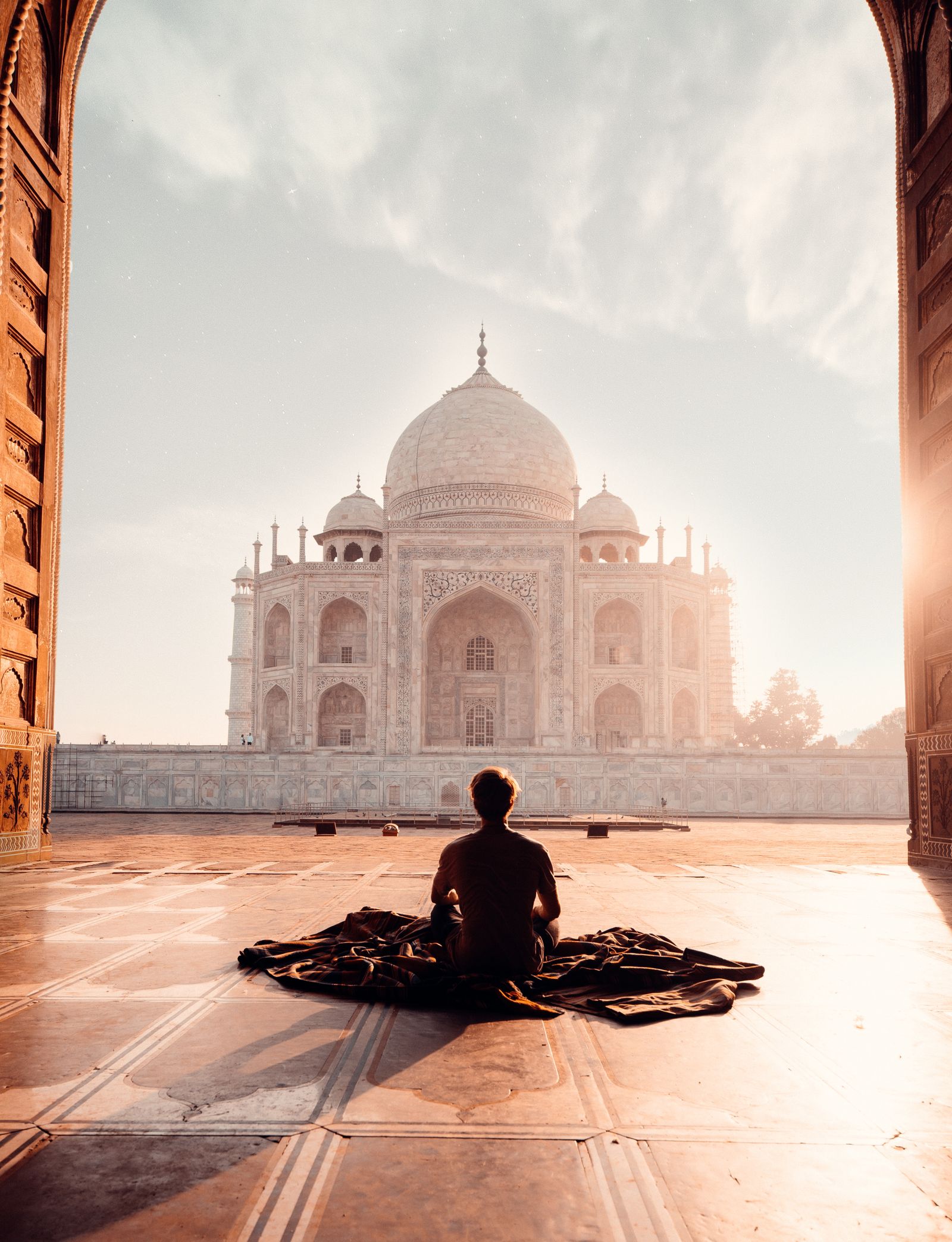
East Bank: Karnak & Luxor Temple
Karnak is a city of gods in stone — hypostyle halls, obelisks, and processional avenues that once connected sacred precincts. Nearby, Luxor Temple glows after sunset, its statues and courtyards lit against the modern town.
Walk slowly. Scale here is the point: columns that feel like a forest, walls still cut with ritual scenes, and the sense that Thebes never fully left.
Karnak grew over nearly two thousand years, expanded by more than thirty pharaohs who each added gateways, halls, and shrines to honor Amun-Ra. That layering is part of the fascination — you can read successive reigns in the stone the way you might read rings in a tree, from the earliest sanctuaries to the towering pylons added centuries later.
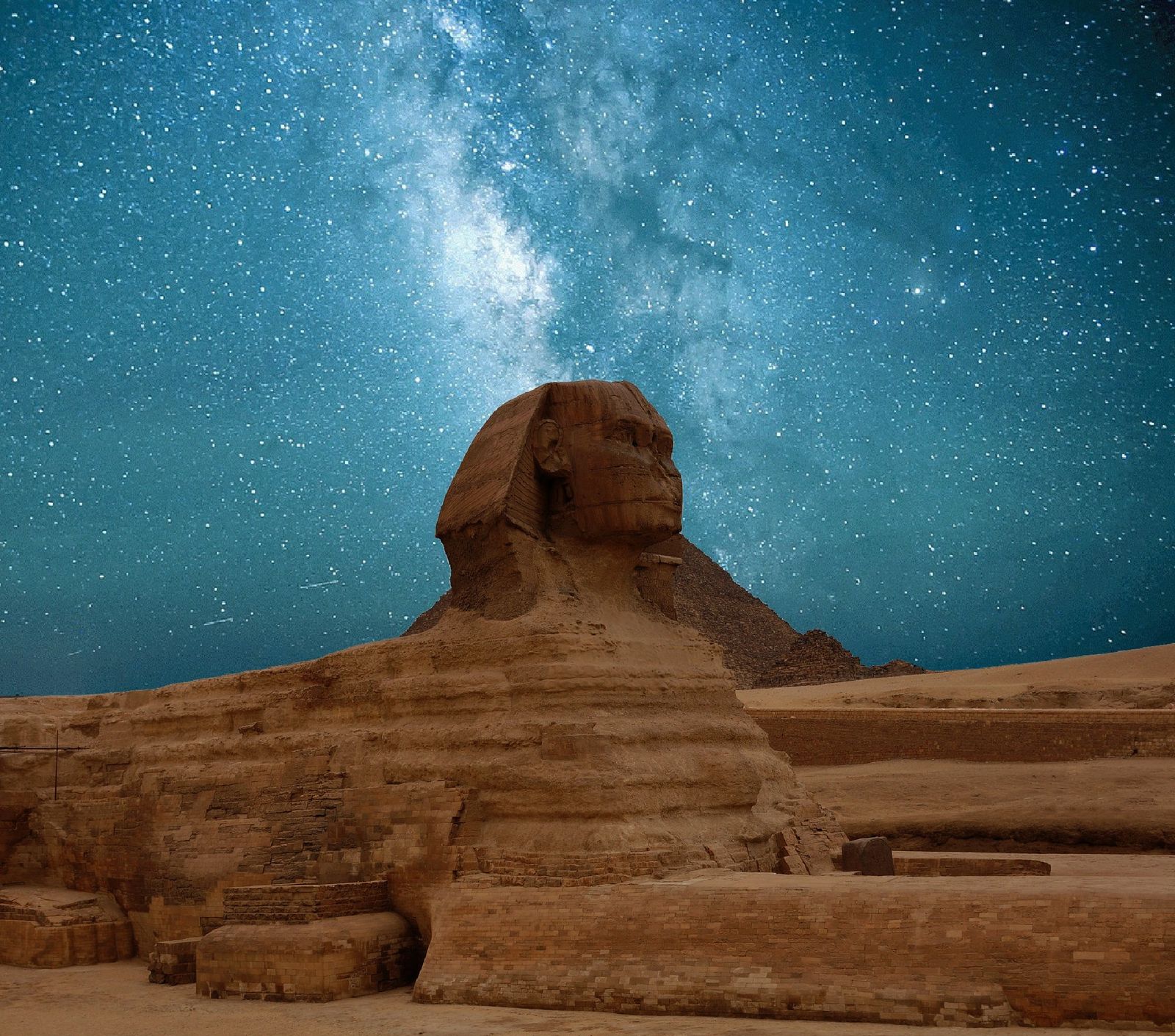
Ancient Thebes: a capital of empire
During the New Kingdom, roughly 1550 to 1070 BCE, Thebes — modern Luxor — was the religious and political heart of Egypt’s empire, home to pharaohs like Hatshepsut, Amenhotep III, and Ramses II. Karnak served as the great state temple, while the West Bank became a vast necropolis where kings prepared for the afterlife on an unmatched scale.
That dual identity, a living East Bank city facing a West Bank city of the dead across the Nile, still structures how Luxor is visited today, and it helps to keep that geography in mind while planning your days.
West Bank: Valley of the Kings
Across the river, the Theban hills hide royal tombs carved deep into rock. The Valley of the Kings, Hatshepsut’s terraced temple at Deir el-Bahari, and the workers’ village of Deir el-Medina form a landscape of burial, craft, and belief.
Tutankhamun’s tomb, though modest in size compared to its neighbors, remains the valley’s most famous chamber thanks to the treasures found intact within it in 1922. Larger tombs nearby, built for longer-reigning kings, often impress more with their painted corridors and sheer depth into the rock.
- Valley of the Kings tomb visits
- Temple of Hatshepsut
- Colossi of Memnon
- Optional hot-air balloon at dawn
Nile rhythm
Luxor is also a river town. Ferry crossings, felucca sails at golden hour, and hotel gardens on the East Bank make it easy to balance monumental days with quiet water evenings.
Many travelers arrive or depart by overnight sleeper train or multi-day Nile cruise, which turns the journey itself into part of the experience — decks and cabins framing temple towns as they drift past.
Food & atmosphere
Luxor’s East Bank corniche is lined with rooftop restaurants overlooking the river, many serving grilled Nile fish, molokhia, and freshly baked bread alongside sweeping temple or river views at sunset. Local juice stands squeeze sugarcane, hibiscus, and mango depending on season — a welcome break between temple visits in the heat.
In the souk behind Luxor Temple, alabaster workshops and spice stalls give a more workaday counterpoint to the monuments, and evening strolls there are noticeably cooler and quieter than during the day.
Practical tips for visiting
- Buy separate tickets for the most-visited tombs (including Tutankhamun’s) — access is often limited and rotated to protect the paintings.
- Cross to the West Bank early; stone and desert heat build quickly by late morning, especially outside winter months.
- Photography inside tombs is frequently restricted or requires an extra permit — check current rules before you go in with a camera.
- A licensed Egyptologist guide is especially valuable here, translating wall reliefs that otherwise read as pure decoration.
- Book hot-air balloon flights the evening before; they depart at first light and fill up quickly in peak season.
Suggested pace & what’s nearby
Three days is ideal: one for Karnak and Luxor Temple, one full West Bank day, and one for museums, ballooning, or a slower Nile morning before continuing to Aswan by cruise or train.
Luxor sits at the natural midpoint of an Upper Egypt itinerary — Aswan and Abu Simbel lie a few hours south by road, rail, or river, making Luxor a logical hinge point rather than an isolated stop.
Best time to visit
October to April offers the most comfortable conditions for tomb-hopping and long West Bank days. Summer temperatures in Upper Egypt regularly climb well above 40°C (104°F), which pushes most sightseeing to early morning and late afternoon. Winter mornings can be cool enough for a light jacket before the sun clears the hills.