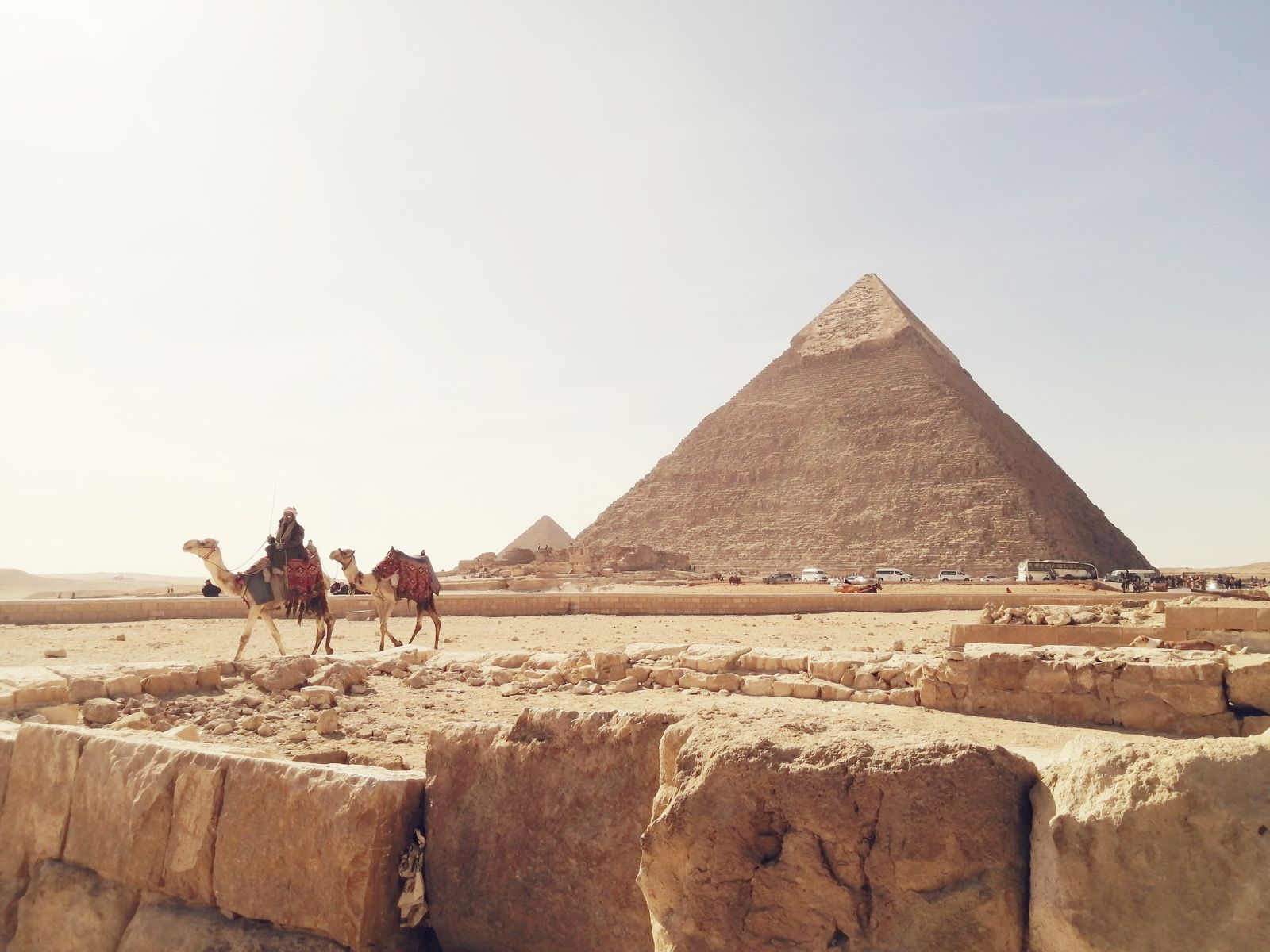
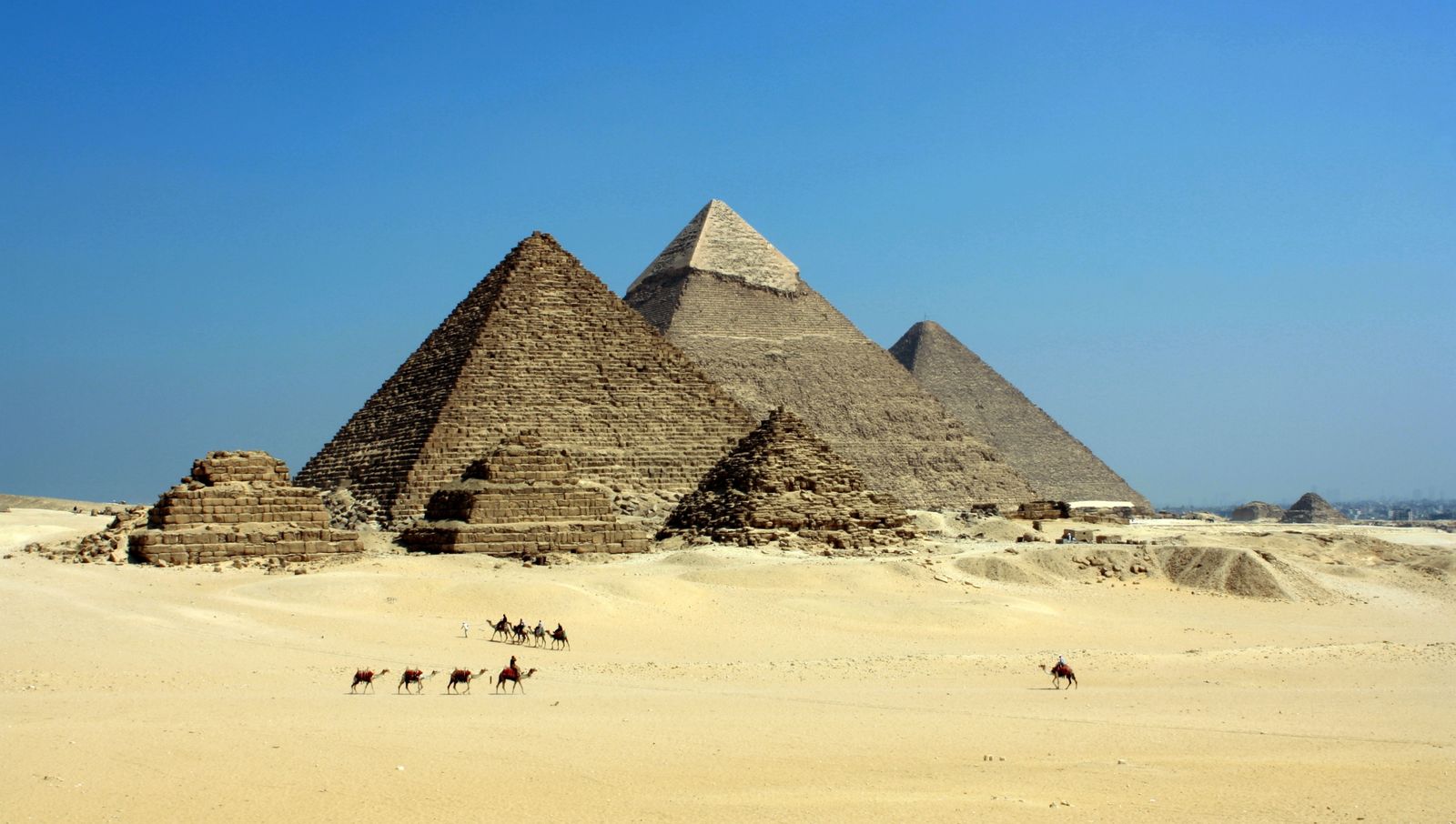
Egyptian pyramids and desert landscape

Destinations

From the Giza Plateau to Red Sea reefs — explore Egypt’s most remarkable historic and scenic places, region by region.

How This Page Is Organized

Six regions, one country

We group Egypt into six destinations that most itineraries naturally move through, roughly from north to south and then out to the coasts. Cairo & Giza is where almost every trip begins — the capital, the airport hub, and the Pyramids all in one place. From there, most routes head south along the Nile Valley through Luxor to Aswan and Abu Simbel, following the same river journey travelers have taken for millennia.

This grouping mirrors how transport actually works in Egypt rather than an arbitrary map division. Domestic flights and the Nile itself connect Cairo, Luxor, and Aswan into one practical corridor, while Alexandria, the Red Sea, and Sinai each require a separate leg — useful to know before you start counting travel days against sightseeing days.

Alexandria sits apart on the Mediterranean coast, a manageable day trip or overnight add-on from Cairo rather than a stop on the southern route. The Red Sea and Sinai form Egypt’s eastern edge — reef, mountain, and desert country that pairs naturally with either the Cairo leg or the Nile Valley leg, depending on your flight routing. Read each entry below for what makes the region distinct, then use our travel guide to combine them into a route that fits your dates.

6
Regions Featured
2–4
Days Typical In Cairo
3–4
Nights On A Nile Cruise
1
River Connecting It All
Pyramids of Giza
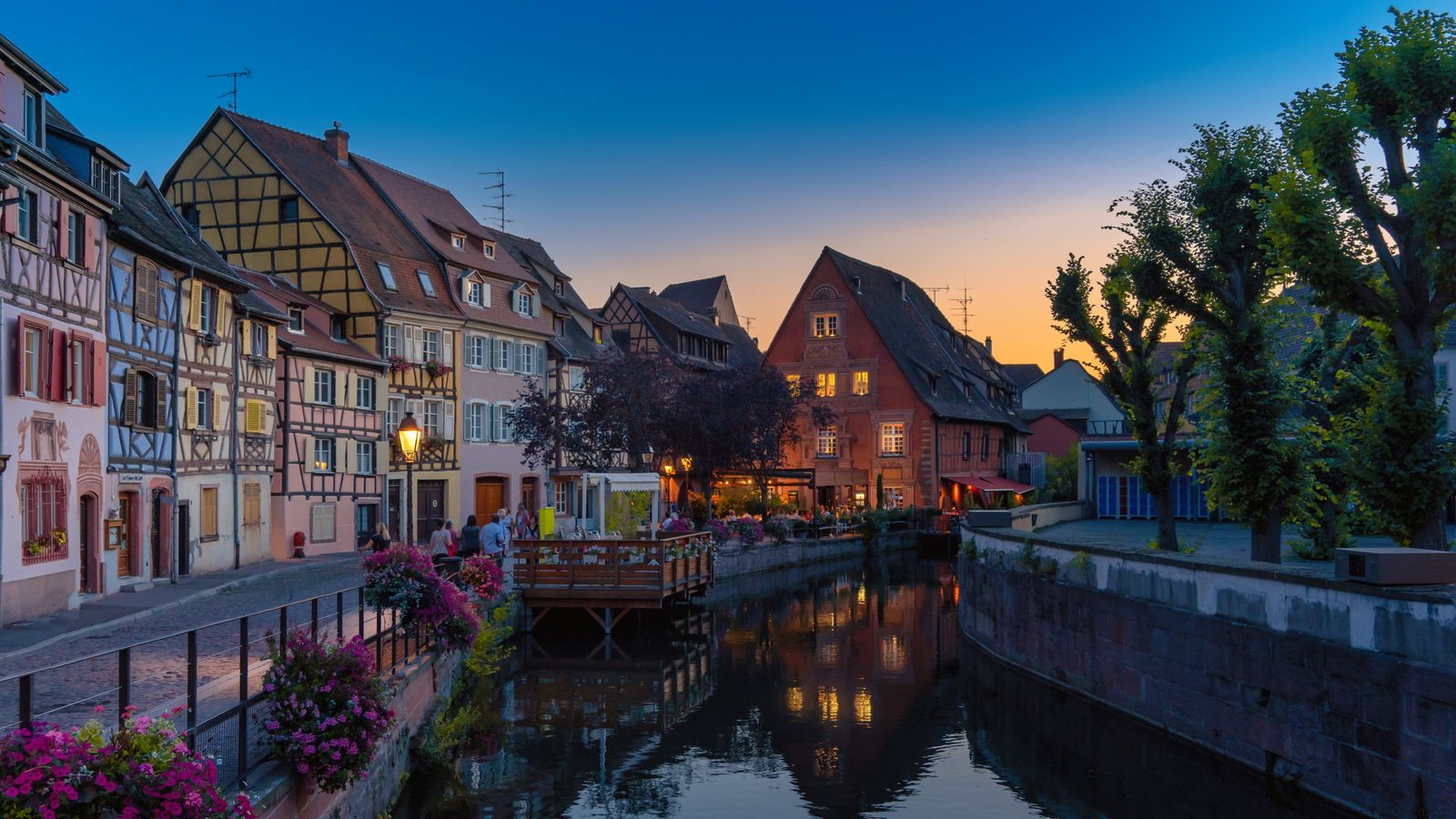
Greater Cairo

Cairo & Giza

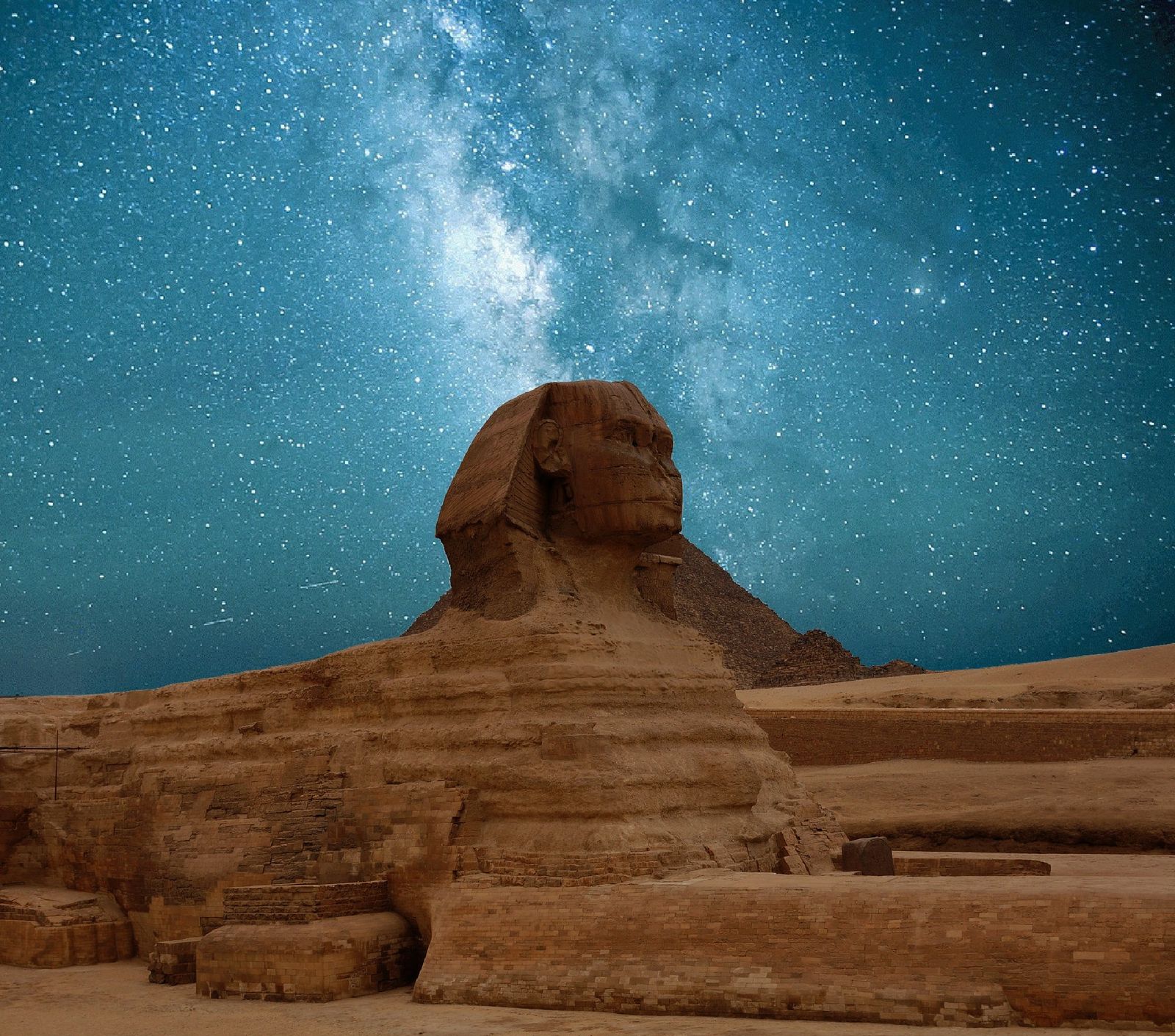
Stand before the last surviving Wonder of the Ancient World, meet the Sphinx, and dive into millennia of artifacts in the capital’s museums — then feel the living city after dark.

Cairo is where almost every Egypt trip begins and ends, and for good reason: the Giza Plateau sits on the city’s desert edge, close enough for a morning visit before breakfast is even finished elsewhere in town. Beyond the Pyramids, the Egyptian Museum and newer flagship collections hold royal mummies and Tutankhamun’s treasures, while Islamic Cairo’s mosques, the Citadel, and Khan el-Khalili’s market lanes reveal a city built in layers across more than a thousand years.

Most visitors spend two to four days here, balancing early starts at the monuments with slower afternoons in museums, cafés, and Nile-side restaurants. Cairo also functions as Egypt’s transport hub, so plan on passing through at least twice — once on arrival, and again en route to or from the south.

Explore Cairo & Giza

Ancient temple in Luxor
Upper Egypt

Luxor

Once Thebes, Luxor is an open-air museum: Karnak’s forest of columns, Luxor Temple at night, and the Valley of the Kings across the Nile.

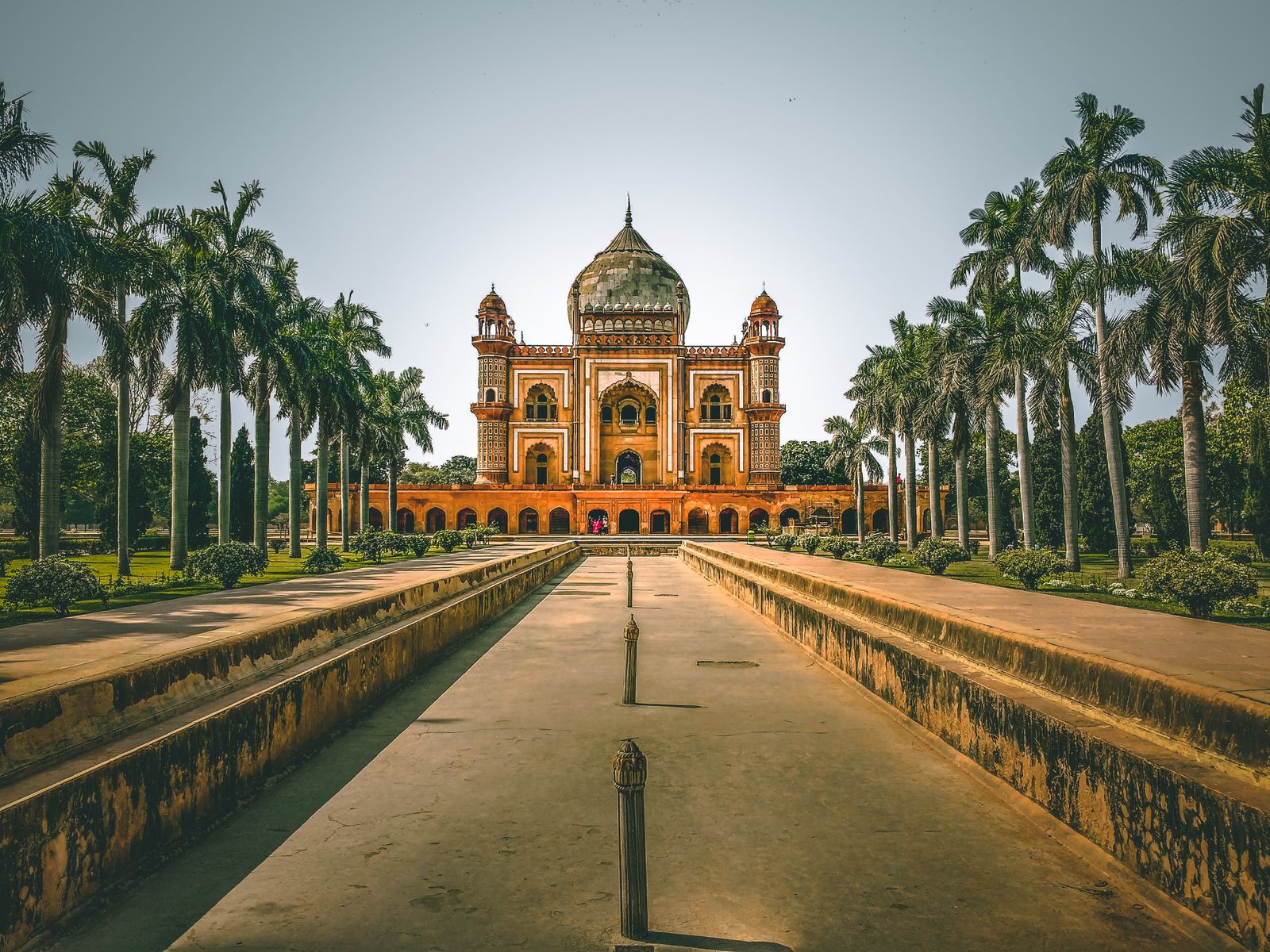
During the New Kingdom, Thebes was Egypt’s religious and political capital, and that legacy still defines the city’s geography — a living East Bank facing a West Bank necropolis across the river. Karnak’s hypostyle halls and processional avenues were expanded by more than thirty pharaohs over nearly two thousand years, while the Valley of the Kings hides royal tombs cut deep into the Theban hills, including Tutankhamun’s famously intact burial chamber.

Luxor is also a river town at heart, with felucca sails at golden hour and rooftop restaurants overlooking the Nile. Many travelers use it as the starting point for a Nile cruise or overnight train south to Aswan, turning the onward journey into part of the experience rather than a logistics chore.

Explore Luxor
Abu Simbel rock temples
Nubia

Aswan & Abu Simbel

Nile islands, Nubian villages, Philae’s island temple, and the monumental rock façades of Abu Simbel — Egypt at its most cinematic south.

Aswan feels slower and more intimate than either Cairo or Luxor: granite islands, feluccas drifting past Elephantine, and quiet evenings along the Corniche. Philae Temple, rescued from rising Nile waters and rebuilt on Agilkia Island in one of the twentieth century’s great heritage-preservation projects, is the highlight for most visitors, alongside Nubian villages that carry a cultural identity distinct from the pharaonic north.

Farther south, Ramses II’s twin temples at Abu Simbel were also relocated block by block to escape flooding, and their precise solar alignment still illuminates the inner sanctum twice a year. Most travelers reach them by early flight or road convoy from Aswan — a long day, but consistently ranked among Egypt’s most dramatic sights.

Explore Aswan
Alexandria waterfront
Mediterranean Coast

Alexandria

Sea air, Greco-Roman layers, the modern Bibliotheca Alexandrina, and café culture on the Corniche — Egypt’s northern gateway of light and learning.

Founded by Alexander the Great in 331 BCE, Alexandria became the intellectual capital of the ancient Mediterranean — home to the legendary Great Library and the Mouseion, where scholars like Euclid and Eratosthenes worked under royal patronage. The original library and its famous lighthouse, the Pharos, are long gone, but the modern Bibliotheca Alexandrina and the Qaitbay Citadel, standing where the lighthouse once rose, carry that legacy forward.

Beneath the modern city, the Catacombs of Kom el Shoqafa fuse Egyptian, Greek, and Roman funerary styles across three underground levels. Trains from Cairo are frequent and comfortable, making Alexandria an easy day trip or an overnight add-on for travelers who want a cooler, coastal contrast to inland heat.

Explore Alexandria
Turquoise Red Sea waters
Red Sea Coast

Red Sea

World-class reefs, clear water, and desert mountains meeting the sea — Hurghada, Sharm el-Sheikh, and quieter coastal stretches for diving and rest.

Egypt’s Red Sea coast sits where the Eastern Desert’s mountains run almost straight down to the water, producing warm, nutrient-poor water with exceptional visibility — often 20 to 30 meters or more — and some of the planet’s healthiest reef systems. Hurghada and nearby resorts offer easy access to house reefs and offshore islands, while quieter towns like El Gouna and Marsa Alam provide calmer alternatives with reefs reachable straight from the beach.

On the Sinai side, Sharm el-Sheikh and Ras Mohammed National Park add dramatic underwater topography, and the Straits of Tiran bring strong currents and big-fish sightings for more advanced divers. Many travelers pair a few Red Sea days with a Nile Valley itinerary as a deliberate change of pace after temple-heavy sightseeing.

Explore the Red Sea
Mountains of the Sinai Peninsula
Sinai Peninsula

Sinai

Dawn on sacred peaks, St. Catherine’s Monastery, Bedouin trails, and a landscape that feels carved for silence and starlight.

Climbing Mount Sinai overnight for sunrise is one of Egypt’s most memorable experiences — steps and camel paths through cold mountain air until the peninsula turns gold. At the mountain’s foot, St. Catherine’s Monastery shelters centuries of Christian heritage, including a library of extraordinary manuscripts, within a starkly beautiful desert setting.

Sinai is not about pyramids; it is about landscape, faith, and quiet. Bedouin-guided desert walks and a pairing with Red Sea resort towns on the coast make it a natural contrast after the density of Cairo and Luxor, best visited October through April when cooler nights make the climbs more comfortable.

Explore Sinai
Quick Reference

Each region at a glance

A fast comparison before you dive into full destination pages or the travel guide’s itineraries.

01

Cairo & Giza

Best season: October–April. Suggested stay: 2–4 days. Pairs with everything — nearly every route passes through.

02

Luxor

Best season: October–April. Suggested stay: 2–3 days. Pairs naturally with Aswan by cruise or train.

03

Aswan & Abu Simbel

Best season: October–April. Suggested stay: 2 days plus an Abu Simbel excursion day.

04

Alexandria

Best season: year-round, mildest April–June and September–November. Suggested stay: 1 day trip or overnight.

05

Red Sea

Best season: year-round, especially May–September. Suggested stay: 2–4 days for diving or resort time.

06

Sinai

Best season: October–April for cooler mountain climbs. Suggested stay: 2–3 days, often paired with the coast.

Before You Book

Planning tips for combining regions

A few practical notes to keep in mind once you start turning this list into an actual itinerary.

01

Anchor around Cairo

Because Cairo is Egypt’s main international gateway, most routes naturally start and end there. Build your Nile Valley or coastal legs as excursions from that anchor rather than trying to avoid passing back through.

02

Don’t overreach in one trip

Cairo plus one southern region (Luxor and Aswan) plus one coastal region (Red Sea or Sinai) is a realistic, satisfying scope for a 10–14 day trip. Trying to fit all six regions into a short trip usually means seeing less of each.

03

Match season to region

Winter suits the Nile Valley best; summer favors the Red Sea and Sinai coasts. If your dates are fixed, let the season help decide which regions to prioritize.

04

Book key logistics early

Abu Simbel flights, Nile cruise cabins, and popular hotels in winter high season fill up months ahead — lock these in before finalizing the rest of your route.

05

Think in legs, not single stops

Group nearby regions into a single travel leg — Luxor and Aswan by cruise, or the Red Sea and Sinai across the Gulf — rather than bouncing back to Cairo between every stop.

06

Leave one buffer day

A single unscheduled day, ideally back in Cairo near the end, absorbs delayed flights, extra museum time, or simply fatigue without threatening your departure.

Boat traffic on the Nile linking regions
Still Deciding?

Let the itinerary lengths guide you

If six regions feels like a lot to weigh at once, our travel guide’s 7, 10, and 14-day sample itineraries already do most of this combining for you — each one names specific regions in a specific order, built around realistic travel times rather than a wish list.

Nile landscape

Not sure where to start?

Our travel guide helps you build a route that balances icons, pace, and season.

Read the Guide