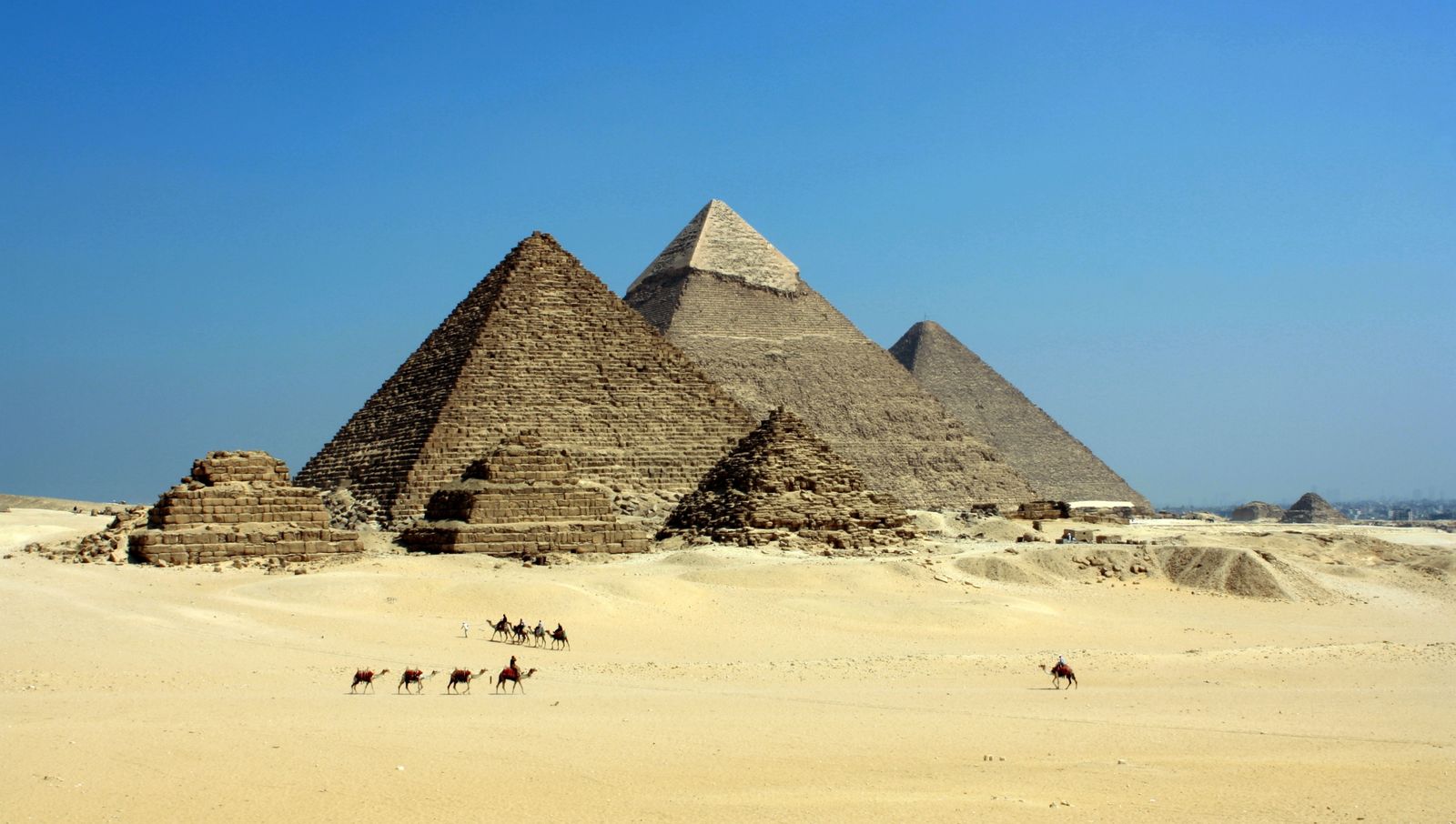
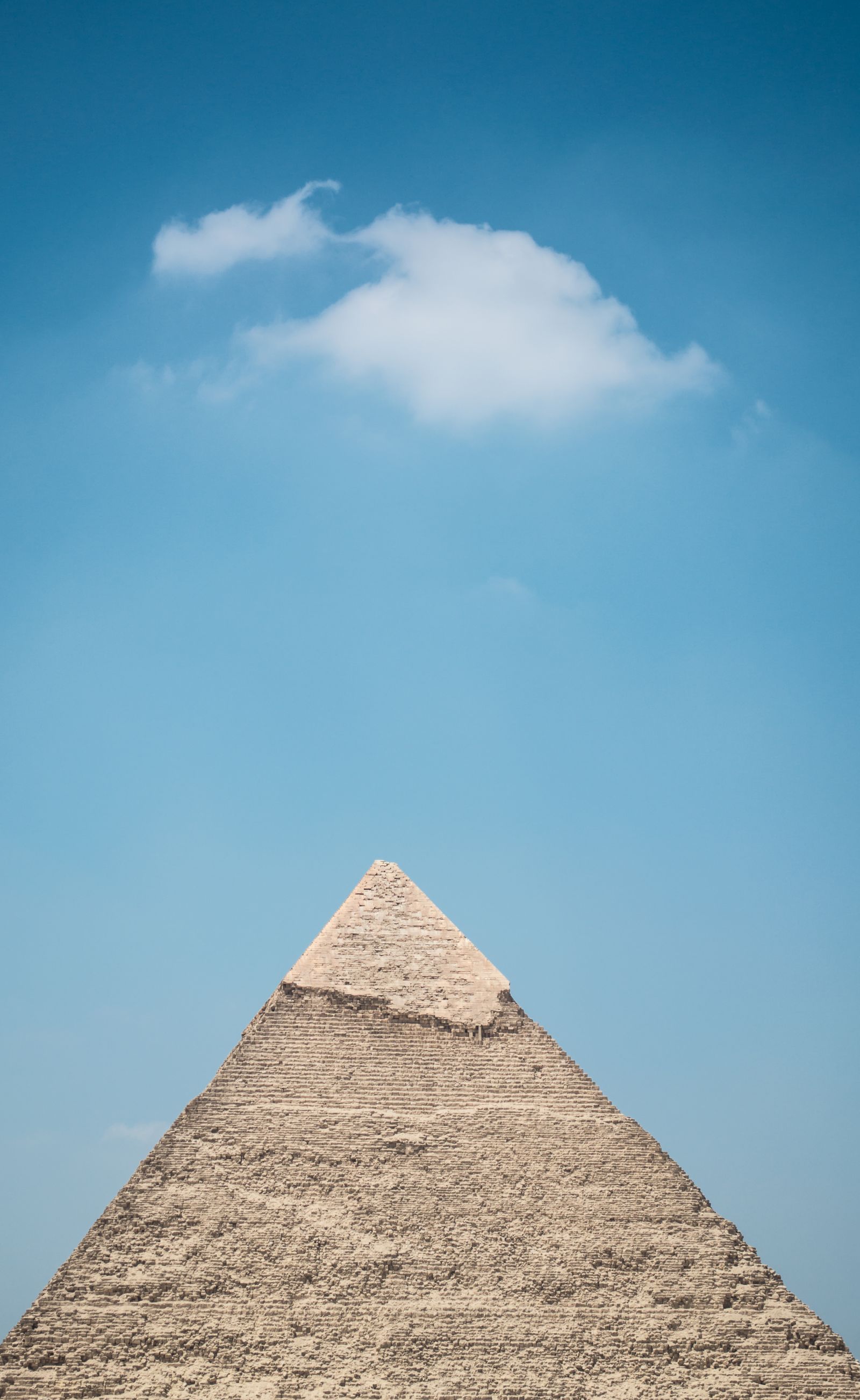
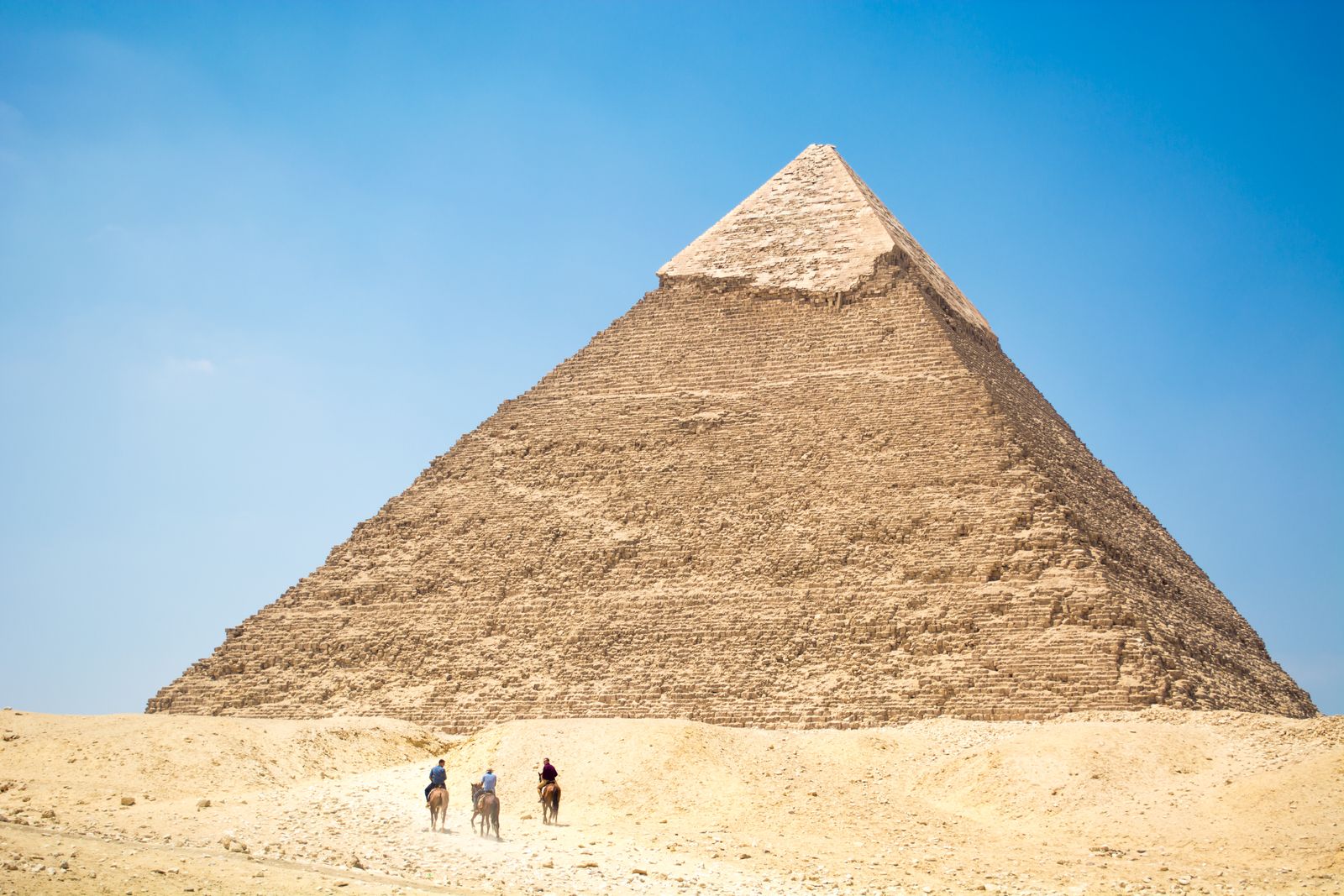
Pyramids of Giza under a vast Egyptian sky
Land of the Pharaohs

Visit Egypt

Historic wonders & landscapes across the Nile

A curated guide to Egypt’s most beautiful and historically significant places — temples, deserts, coasts, and living cities.

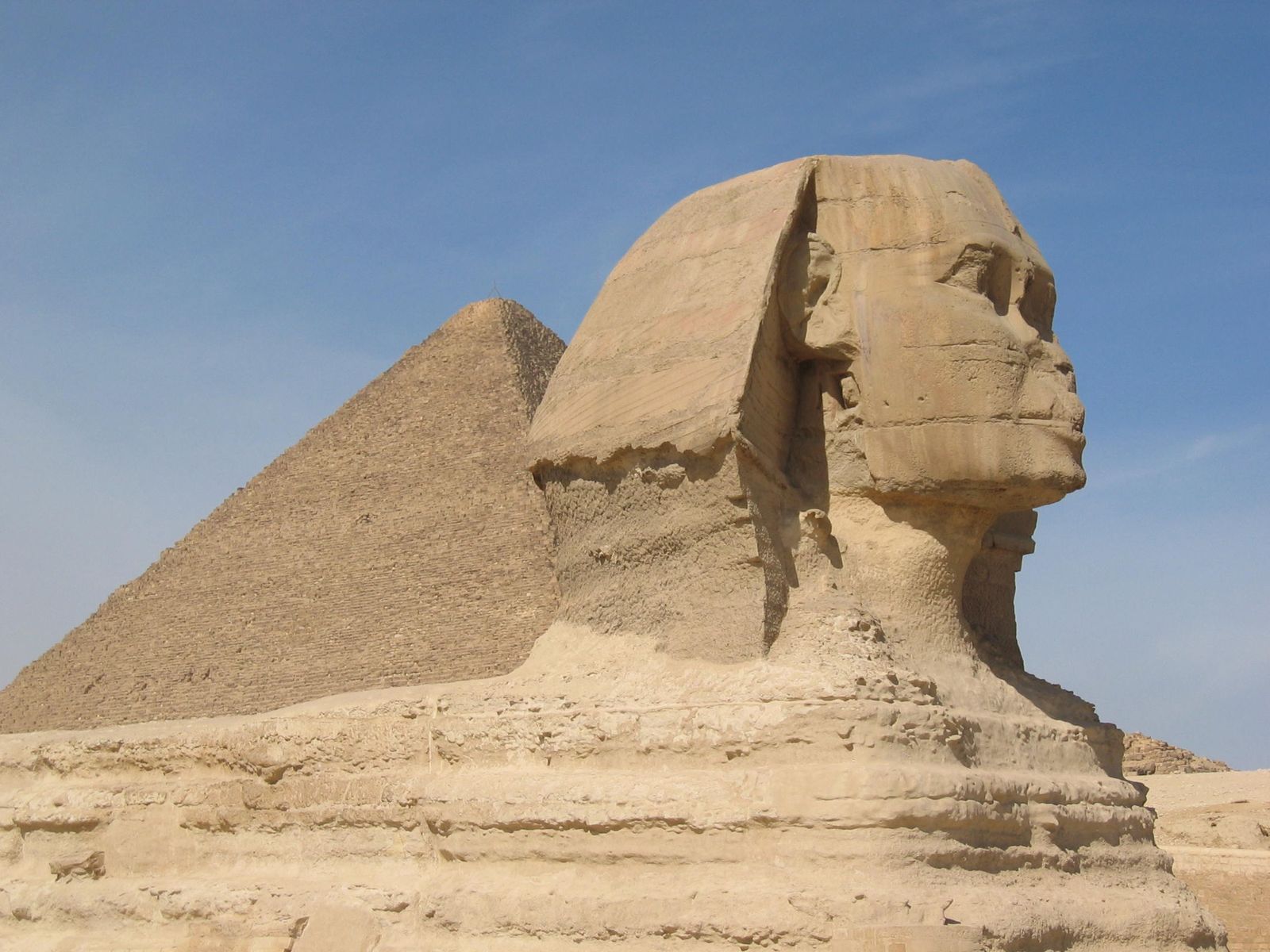
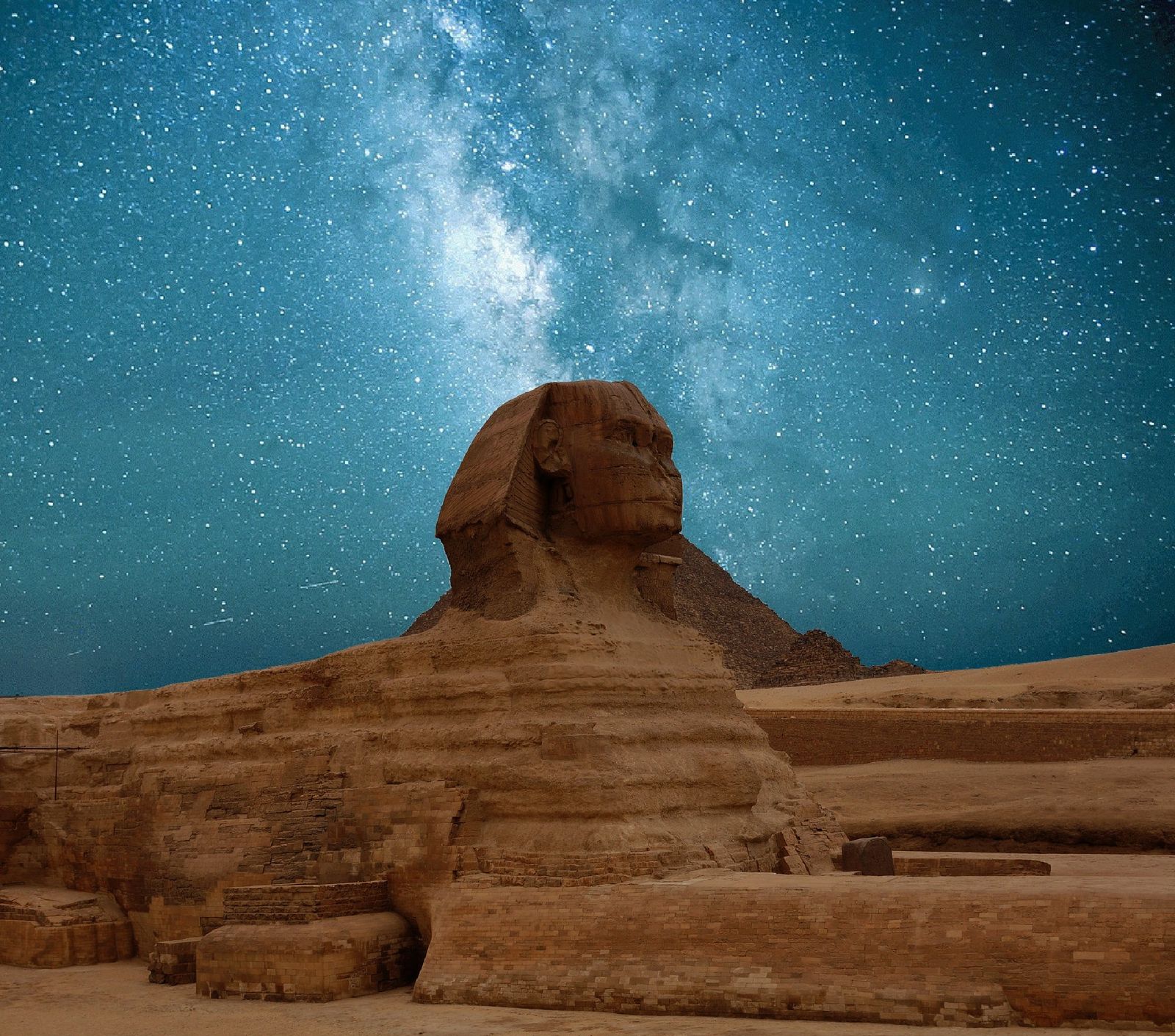
The Great Sphinx of Giza
Why Egypt

Five millennia of wonder, one unforgettable journey

From the limestone giants of Giza to the painted tombs of the Valley of the Kings, Egypt holds some of humanity’s greatest monuments — still standing in desert light and Nile hush.

Beyond the classics, turquoise Red Sea coasts, Sinai sunrise trails, and Mediterranean Alexandria offer beauty that feels entirely its own.

This is a country where a single itinerary can move from Old Kingdom pyramids to New Kingdom temples, from Islamic Cairo’s medieval lanes to coral gardens beneath clear Red Sea water. The scale is vast — yet the Nile gives the journey a clear spine, so even first-time visitors can build a route that feels coherent rather than rushed.

Visit Egypt exists to help you see that fuller picture: which regions deserve time, how seasons shape the experience, and how to balance icons with quieter places that stay with you long after the trip ends.

Our Story
What Awaits

Experiences that define an Egypt trip

Egypt is more than a checklist of monuments. These are the moments travelers remember years later.

01

Standing before the Pyramids

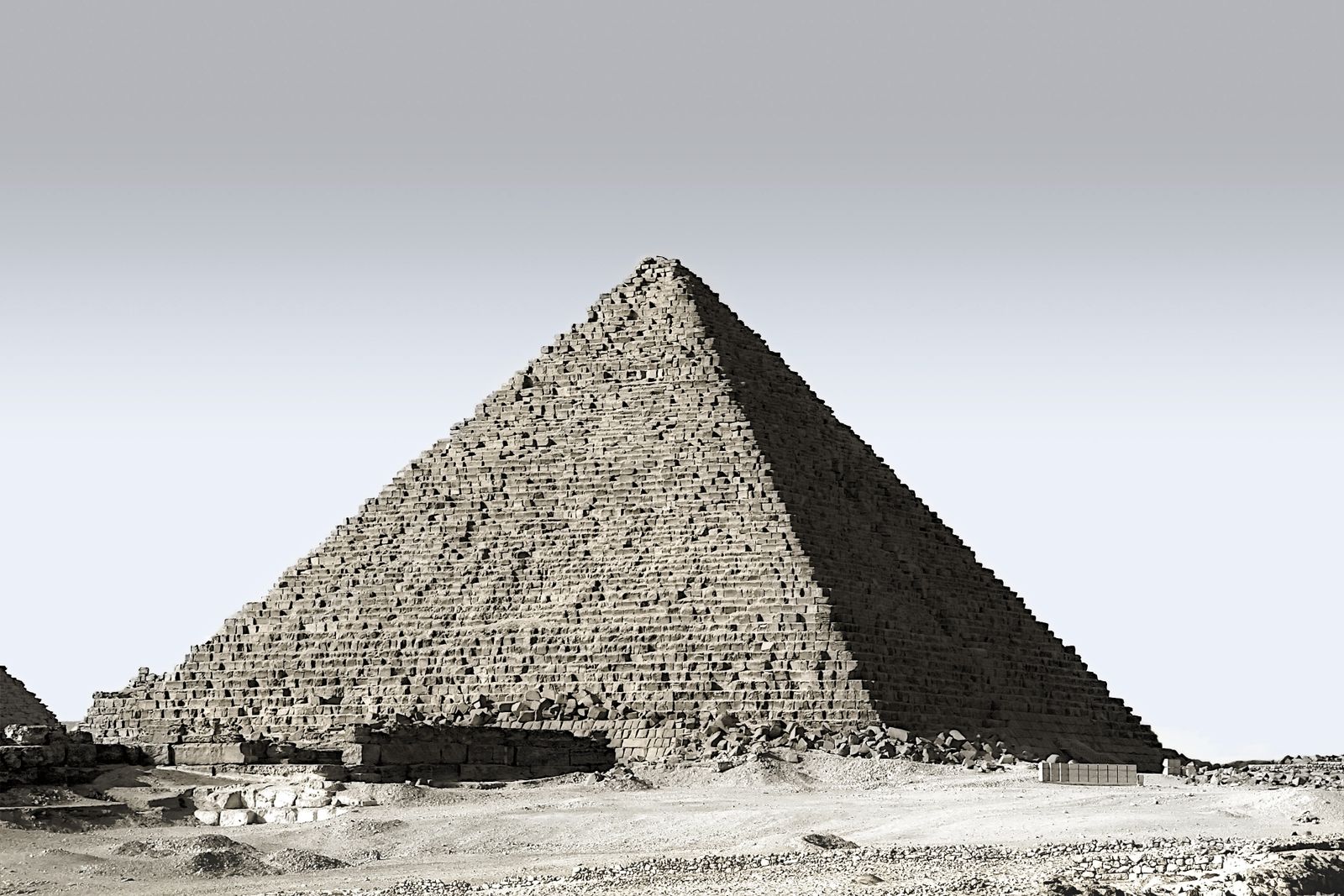
Nothing in photographs prepares you for the scale of Giza. Arrive early, walk the plateau slowly, and let the desert silence between tour groups do its work. The Sphinx, the three pyramids, and Cairo’s skyline in one frame remain one of travel’s great first impressions.

02

Temples lit after dark

Luxor Temple and Karnak take on a different character at night — columns floodlit, processional avenues glowing, and the heat of the day finally gone. Pair a West Bank tomb morning with an East Bank evening and you feel why Thebes was called the world’s open-air museum.

03

Nile mornings

Whether by cruise ship or a simple felucca, time on the river softens the itinerary. Sunrise over sugarcane fields, temple stops at Edfu or Kom Ombo, and long afternoons watching the banks slide past — this is Upper Egypt at its most cinematic.

04

Beneath the Red Sea

After days of stone and sand, the coast resets everything. Soft corals, reef walls, and bright fish life make snorkeling or diving feel like another country entirely — and a perfect contrast after Luxor or Cairo.

05

Sinai at dawn

Climbing Mount Sinai overnight for sunrise is demanding and unforgettable. Cold mountain air, a path of steps and camel trails, then gold light spilling across the peninsula — a spiritual landscape unlike the Nile valley.

06

Living Cairo

Between monuments, Cairo rewards curiosity: mint tea in Khan el-Khalili, the call to prayer echoing off Mamluk stone, Nile bridges filling after sunset, and museums that hold Tutankhamun’s treasures under one roof.

Temple columns at Karnak
How Trips Come Together

Build a route that fits your time

Most first-time visitors start in Cairo for the Pyramids and museums, then fly or take the overnight train to Luxor. From there, a Nile cruise or train continues south to Aswan — with Abu Simbel as a powerful day trip. Alexandria fits as a Mediterranean day from Cairo; the Red Sea or Sinai adds rest, reefs, and mountain silence at the end.

Seven days covers the essentials. Ten days lets Upper Egypt breathe. Fourteen days opens space for coasts, Sinai, and slower mornings without sacrificing the icons.

We publish sample itineraries and seasonal advice so you can choose pace over packing every gate into a single exhausting day. Egypt rewards travelers who leave room between monuments.

See Sample Itineraries
5,000+
Years of History
100+
Notable Sites
6
Key Regions
1
Unforgettable Land
Plan Well

Travel essentials

Practical guidance so your time among Egypt’s wonders feels seamless — from seasons and transport to what to see first.

01

Best time to visit

October to April brings milder days for temples and desert walking. May through September is hotter inland — still workable with early starts, while Red Sea resorts stay popular year-round for beach and diving holidays.

02

How to move around

Domestic flights connect Cairo, Luxor, Aswan, Hurghada, and Sharm. Overnight trains and Nile cruises link Upper Egypt’s great sites. Private drivers are common for day trips; ride-hailing apps work well inside Cairo.

03

What to see first

First-timers often combine Cairo & Giza with Luxor — then add Aswan, Alexandria, or a Red Sea pause for contrast. Return visitors dig deeper into Saqqara, Nubia, Sinai, and quieter Red Sea stretches.

04

Visas & arrival

Many nationalities use e-visa or visa on arrival at major airports. Keep passport validity in mind, carry a copy of your entry stamp, and confirm current rules before you fly — requirements can change.

05

Money & tipping

Egyptian pounds cover daily costs; cards work in hotels and larger restaurants. Small cash notes help with tips, market purchases, and local services. Agree prices before camel rides, taxis, or unofficial guides.

06

Dress & respect

Light, modest clothing works for temples and city streets. Cover shoulders and knees for mosques; remove shoes where required. A scarf, sunscreen, and closed shoes for uneven temple stone are worth packing.

Seasons

Egypt through the year

Timing shapes comfort more than almost any other decision. Here is how the country feels across the calendar.

Oct–Nov

Prime temple season begins

Heat eases across the Nile valley. Ideal for Giza, Luxor, and Aswan walking days. Crowds grow toward winter holidays — book popular Nile cabins early if you want a cruise.

Dec–Feb

Coolest inland weather

Best for desert trails and Sinai climbs at night. Evenings can be chilly on the river and in the mountains — pack a warm layer. Peak season for culture-focused itineraries.

Mar–Apr

Warm spring, still excellent

Comfortable mornings and longer daylight. Occasional dusty khamaseen winds inland. A strong window before summer heat arrives in full force.

May–Sep

Hot inland, popular coasts

Upper Egypt and Cairo need early starts and midday shade. Red Sea resorts thrive for beach and diving. Some travelers prefer shoulder months; others embrace summer for lower inland crowds.

Abu Simbel temples
Beyond the First Icons

Places worth the extra day

Once Giza and Luxor are on the list, consider the sites that deepen the story. Saqqara’s Step Pyramid predates Giza and shows how Egyptian stone architecture began. Abu Simbel’s rock-cut colossi remain among the most dramatic façades in the country. Philae’s island temple approaches by boat feel ceremonial even today.

Alexandria offers Mediterranean light and Greco-Roman layers after Cairo’s intensity. Sinai adds sacred peaks and monastery silence. The Red Sea resets the senses after temple-heavy days — reefs, salt air, and desert mountains meeting the water.

Explore by Region
Common Questions

Before you book

Straight answers to the questions we hear most often from travelers planning Egypt.

Q

Is Egypt safe for visitors?

Millions visit major tourist regions each year. Stick to well-traveled routes, use licensed guides and reputable transport, and follow current local advice. As with any destination, common-sense awareness goes a long way.

Q

How many days do I need?

A focused week can cover Cairo and Luxor. Ten days comfortably add Aswan. Two weeks open space for Alexandria, the Red Sea, or Sinai without constant rushing.

Q

Cruise or independent travel?

Nile cruises simplify Upper Egypt logistics and include temple stops. Independent travel offers more flexibility in Cairo and on the coasts. Many travelers mix both — cruise south, then fly to the Red Sea.

Q

Can I visit with children?

Yes — with paced days, midday breaks, and fewer tomb entries in extreme heat. Resorts on the Red Sea are especially family-friendly; temple sites work best with early starts and shade plans.

Visual Journey

Moments from across Egypt

Stone, water, sand, and light — a glimpse of the landscapes and monuments waiting across the country.

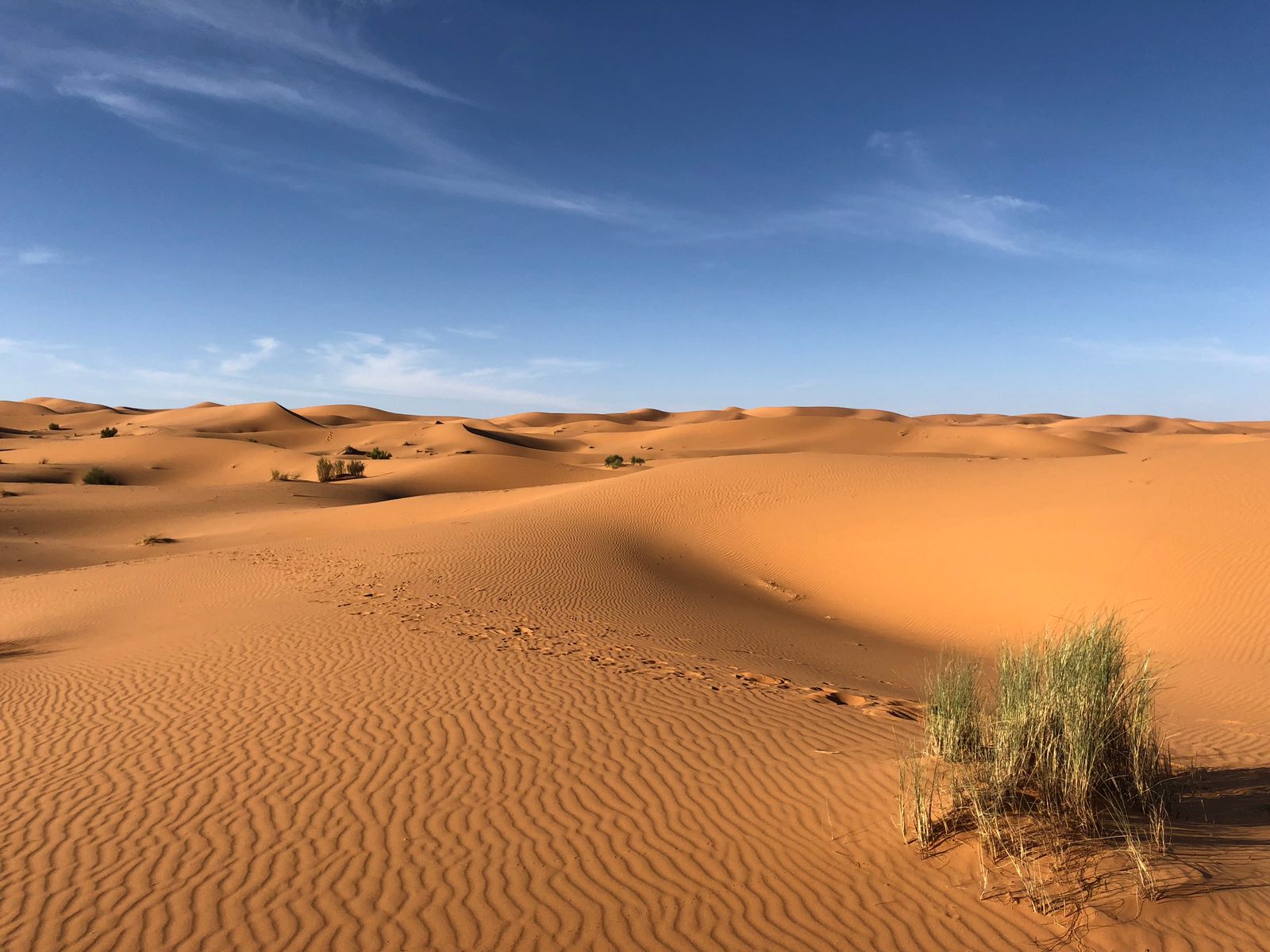
Egyptian desert landscape

Ready to explore Egypt?

Tell us where you want to go — we help travelers shape journeys across the country’s most meaningful places.

Get in Touch