
Felucca sailing on the Nile at sunset

Travel Guide

Season, routes, and practical tips for exploring Egypt’s historic and beautiful places with confidence — from first booking to final Nile sunset.

Essentials

Before you go

A few decisions shape the whole trip: when you travel, how you move south, and how many icons you try to fit into each day.

01

Best time to visit

October to April is ideal for temples and desert walking. May–September is hotter inland; Red Sea resorts remain popular. Ramadan and major holidays can change opening rhythms — plan flexible mornings.

02

Getting around

Cairo is the hub. Domestic flights link Luxor, Aswan, Hurghada, and Sharm. Overnight trains and Nile cruises connect Upper Egypt. Private drivers are common for day excursions.

03

Entry & practicalities

Most visitors arrange a visa on arrival or e-visa depending on nationality. Carry modest clothing for religious sites, sunscreen for desert days, and small notes for tips and local purchases.

Climate & Calendar

Seasons, month by month

Egypt is a year-round destination, but the “best” month depends on whether you are chasing temples, desert trails, or Red Sea water time.

Dec–Feb

Winter — the classic window

Daytime temperatures sit around 18–24°C in Cairo and Luxor, with cool desert nights that call for a light jacket. This is peak season for the Nile Valley: book Nile cruises, Abu Simbel flights, and popular hotels well ahead. Sinai high peaks can be genuinely cold after dark, and light rain is possible in Cairo and Alexandria.

Mar–May

Spring — warming fast

March and April are pleasant for the first half, then heat rises quickly into May. This is khamsin season — hot, sand-laden winds that can reduce visibility for a day or two and occasionally affect flight schedules. Shoulder-season pricing makes March a good value month before the heat sets in properly.

Jun–Aug

Summer — coast over Nile Valley

Cairo, Luxor, and Aswan regularly reach 38–42°C, which makes midday sightseeing punishing even for enthusiastic travelers. Many visitors shift this window to the Red Sea and Sinai coasts, where sea breeze tempers the heat and diving conditions are excellent. If you do visit Upper Egypt in summer, plan sites for early morning and evening only.

Sep–Nov

Autumn — the quiet return

Heat eases through September, and by October the Nile Valley is comfortable again with thinner crowds than winter’s peak. November offers some of the best value of the year: agreeable temperatures, shorter lines at major sites, and Nile cruises still running full itineraries before the winter rush.

Sample Route · 7 Days

Icons first

A tight, high-impact week built around Cairo and Luxor for travelers with limited time who still want the essentials done properly.

Day 1 — Arrival in Cairo

Land in Cairo, settle into your hotel, and ease into the trip with an early dinner. If your flight lands early enough, a first glimpse of the Giza plateau at golden hour is a memorable warm-up.

Day 2 — Giza & the Egyptian Museum

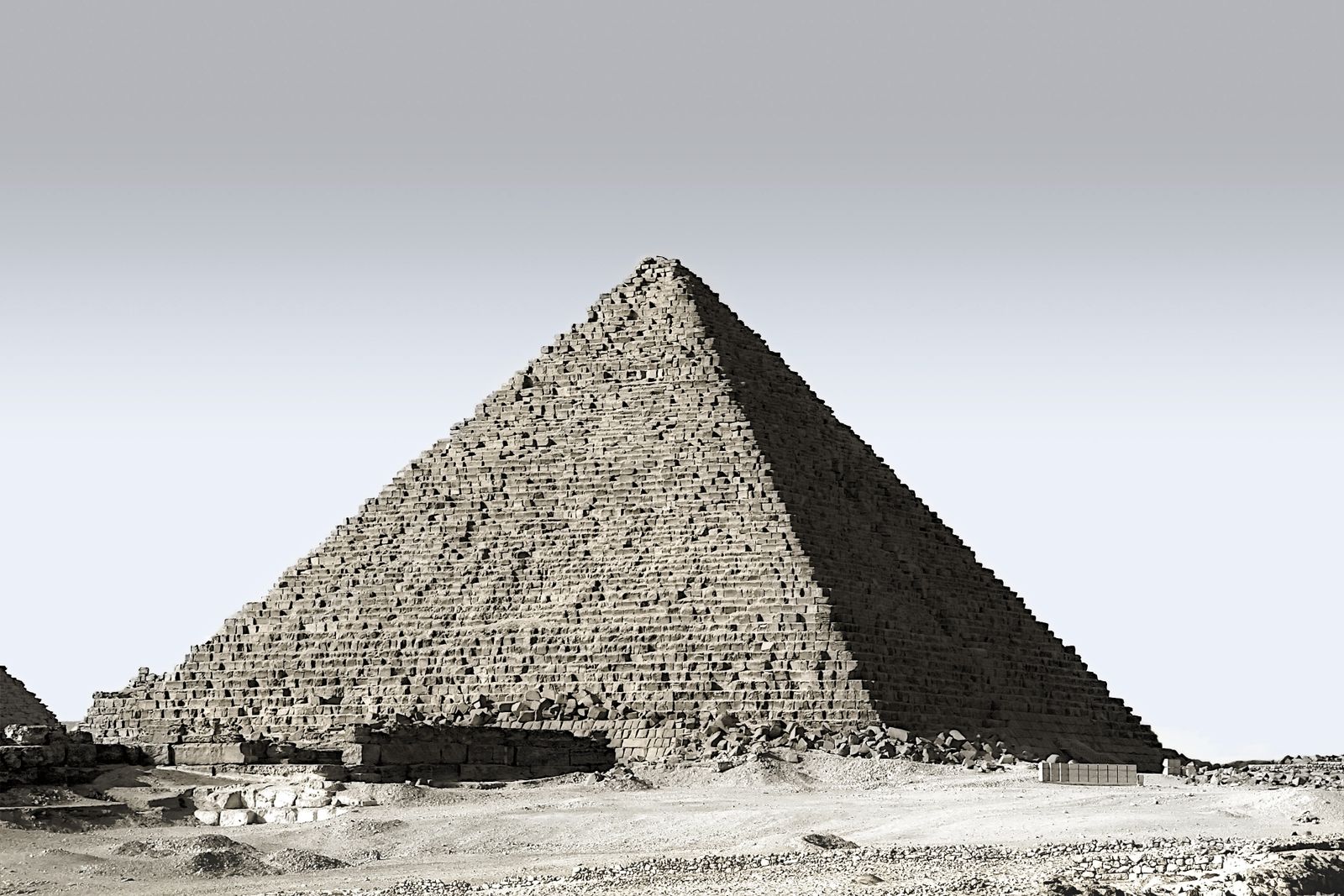
Arrive at the Giza plateau near opening time for softer light and thinner crowds around the Pyramids and the Great Sphinx. In the afternoon, dive into royal mummies and Tutankhamun’s treasures at Cairo’s flagship museum collections.

Day 3 — Islamic Cairo or Saqqara, then fly south

Spend the morning in Khan el-Khalili’s lanes and Old Cairo, or take a half-day trip to Saqqara’s step pyramid, before a short domestic flight to Luxor in the evening.

Day 4 — Luxor’s East Bank

Explore Karnak’s forest of columns in the morning and return to Luxor Temple after dark, when floodlights turn the colonnades dramatic and the crowds thin out.

Day 5 — Luxor’s West Bank

Cross the Nile for the Valley of the Kings, Hatshepsut’s terraced temple at Deir el-Bahari, and the Colossi of Memnon. Start early to beat the heat inside the tombs.

Day 6 — Felucca sail or a Red Sea add-on

Take a slow felucca sail on the Nile at sunset and browse a local souk for spices and textiles, or fly to Hurghada for one relaxed day of sea and reef before heading home.

Day 7 — Departure

Fly back to Cairo for your international connection, or depart directly if your route allows — either way, a week is enough to leave with Egypt’s essentials genuinely seen, not just glimpsed.

Sample Route · 10 Days

The Nile chapter

The most balanced classic route: Cairo, Luxor, a slow passage south by cruise or train, Aswan, Abu Simbel, and room to breathe.

Day 1 — Arrive Cairo

Settle in, adjust to the time zone, and enjoy a first Cairo dinner with skyline or Nile views.

Day 2 — Giza plateau & the Sphinx

A full morning at the Pyramids and the Sphinx, with the Solar Boat story and a look back at Cairo’s skyline from the sand.

Day 3 — Museums & Islamic Cairo

Spend the day between Cairo’s museum treasures and the medieval lanes, mosques, and coffee houses of the old city.

Day 4 — Fly or train to Luxor, East Bank

Arrive in Luxor and head straight to Karnak Temple, saving Luxor Temple for an evening return under floodlight.

Day 5 — Luxor’s West Bank

Valley of the Kings, Hatshepsut’s temple, and the Colossi of Memnon — Luxor’s open-air museum in full.

Day 6 — Board your Nile cruise, sail to Edfu

Embark in Luxor and sail south overnight, waking to temple stops along the riverbank rather than airport transfers.

Day 7 — Edfu, Kom Ombo, arrive Aswan

Visit the well-preserved Temple of Horus at Edfu and the riverside Temple of Kom Ombo before docking in Aswan for the evening.

Day 8 — Aswan: High Dam, Philae, Nubian village

See the High Dam, the island Temple of Philae by boat, and a Nubian village for color, music, and riverside tea.

Day 9 — Abu Simbel, then fly north

An early departure to Abu Simbel’s monumental rock façades, then an afternoon flight back to Cairo (or onward to the Red Sea for travelers extending their trip).

Day 10 — Departure

A final Cairo morning for souvenirs or a last museum visit before your international flight home.

Sample Route · 14 Days

Full contrast

Two full weeks that connect the Nile Valley with the Mediterranean coast and either the Red Sea or Sinai — Egypt’s widest sweep without feeling rushed.

Day 1 — Arrive Cairo

Arrive, rest, and get oriented with an easy first evening near the Nile.

Day 2 — Giza plateau & the Sphinx

Pyramids, the Sphinx, and the Solar Boat Museum story in the cooler morning hours.

Day 3 — Egyptian Museum & Islamic Cairo

Royal treasures in the morning, medieval mosques and Khan el-Khalili’s lanes in the afternoon.

Day 4 — Day trip to Alexandria

A comfortable train ride to the Mediterranean coast for the Bibliotheca Alexandrina, Qaitbay Citadel, and the catacombs, returning to Cairo by evening.

Day 5 — Fly to Luxor, East Bank

Arrive in Luxor and spend the afternoon and evening between Karnak and a floodlit Luxor Temple.

Day 6 — Luxor’s West Bank

Valley of the Kings, Hatshepsut’s temple, and the Colossi of Memnon, with a slower pace than a shorter trip allows.

Day 7 — Board a Nile cruise toward Aswan

Embark and sail south overnight, with Edfu’s Temple of Horus the next stop along the river.

Day 8 — Kom Ombo, arrive Aswan

The riverside Temple of Kom Ombo, then dock into Aswan for an evening at leisure.

Day 9 — Aswan: High Dam, Philae, Nubia

The High Dam, Philae Temple by boat, and a relaxed Nubian village visit for music and riverside tea.

Day 10 — Abu Simbel excursion

An early start for the monumental rock temples at Abu Simbel, one of Egypt’s most cinematic sights.

Day 11 — Fly to the Red Sea

Head to Hurghada or Marsa Alam for reef color and warm, clear water after a week of temples and travel days.

Day 12 — Red Sea diving or snorkeling

A full day on or under the water, with world-class reef sites reachable by short boat rides from most resorts.

Day 13 — Fly to Cairo, buffer day

Return north with a flexible day for delayed connections, last souvenirs, or one more Cairo meal you didn’t get to the first time.

Day 14 — Departure

Depart with the Nile Valley, the coast, and the desert all genuinely experienced rather than rushed past.

Egyptian market colors and spices
On the Ground

Temple days done well

Start early for Giza and the Valley of the Kings. Midday heat is real — museums, long lunches, and hotel pools exist for a reason.

Hire licensed guides for complex sites; photography rules vary inside tombs. Drink bottled water, pace your walking, and leave space for one unplanned café stop — Egypt rewards curiosity as much as checklists.

Browse Destinations
Boat traffic on the Nile near Luxor
Getting Around

Transport, in depth

Domestic flights on EgyptAir, Air Cairo, and Nile Air connect Cairo with Luxor, Aswan, Hurghada, and Sharm el-Sheikh in roughly an hour — the fastest way to cover long distances, and worth booking early in the winter peak.

Within Cairo, the Metro is fast and cheap for a handful of useful stops, while ride-hailing apps such as Uber and Careem are widely used, metered, and generally more predictable than hailing a street taxi. Private drivers and licensed guides remain the most convenient option for day excursions to Giza, Saqqara, or Alexandria.

Choosing Your Route South

Nile cruise vs. sleeper train vs. flight

All three get you from Cairo or Luxor to Aswan — the right choice depends on time, budget, and how much of the journey you want to be part of the experience.

Cruise

Nile Cruise

A 3–4 night sail between Luxor and Aswan turns transport into the itinerary itself, with Edfu and Kom Ombo included along the way.

  • Duration: 3–4 nights, unhurried pace
  • Best for: travelers who want temples and river scenery combined
  • Note: book cabins with a Nile-facing view where possible
Train

Sleeper Train

Overnight sleeper trains link Cairo directly with Luxor and Aswan, saving a hotel night and arriving refreshed by breakfast.

  • Duration: roughly 10–12 hours overnight
  • Best for: budget-conscious travelers skipping the cruise
  • Note: book cabins in advance during winter high season
Flight

Domestic Flight

The fastest link between regions at around an hour in the air, ideal when a short trip needs to maximize time on the ground.

  • Duration: about 60–75 minutes
  • Best for: shorter trips or connecting to the Red Sea
  • Note: arrive early — security lines vary by season
Budgeting

Money & tips

A little preparation around cash, cards, and local tipping customs makes daily transactions far smoother.

01

Currency & cards

The Egyptian pound (EGP) is the local currency. ATMs are widely available in Cairo and major destinations, and large hotels, restaurants, and shops accept cards. Carry cash for markets, rural stops, and small vendors where card machines are less common.

02

Tipping (baksheesh)

Tipping is a genuine part of daily life — for guides, drivers, hotel staff, and restroom or site attendants. Keep a stock of small notes so you are never caught without change; modest, frequent tips are the local norm rather than large occasional ones.

03

Bargaining

Expected in souks and markets, not in supermarkets or fixed-price shops. A friendly, patient approach works best; starting around half the first quoted price is a common rule of thumb, and walking away is a normal part of the process.

04

Budgeting for entrance fees

Site entrance fees add up quickly across a multi-stop itinerary, and some locations (such as the Valley of the Kings’ special tombs) charge separately. Ask about combination tickets locally, and budget a little extra for the sites that surprise you.

Egyptian food market stalls
Eating Well

Food & drink

Start with koshary, Egypt’s beloved rice-lentil-pasta staple, ful medames for breakfast, ta’ameya (Egyptian falafel), and slow-cooked molokhia. Grilled kofta and kebab are everywhere, and fresh Nile fish appears often along the river towns.

Karkade (hibiscus tea), fresh juices, and mint tea are worth seeking out. Drink sealed bottled water rather than tap water, and be cautious with ice in more remote areas. Busy street stalls with high turnover are generally a safe and rewarding way to eat well on a budget.

Customs

Etiquette that matters

Small courtesies go a long way, especially around religious sites and photography.

01

Dress code

Modest clothing covering shoulders and knees is expected at mosques and appreciated generally; a light scarf is useful for both sun and quick coverage when visiting active places of worship.

02

Photography

Ask before photographing people, and note that photography rules vary inside tombs and museums — some require an extra ticket, others prohibit flash or any photos entirely. Avoid photographing military or government sites.

03

Religious sites

Remove shoes before entering mosque prayer halls, keep voices low during active worship, and expect Friday midday to be a busier, more devotional time at major mosques.

04

Greetings & hospitality

Handshakes are common, hospitality is genuine, and accepting an offered tea or coffee is a warm gesture worth returning. Use your right hand for eating and giving or receiving items where practical.

Packing Notes

What to bring

A

Clothing

Light layers, closed shoes for temple stone, a scarf for sun and mosque visits, and a warm layer for winter desert nights or Nile evenings.

B

Gear

Sunglasses, high-SPF sunscreen, a refillable bottle you can top with sealed water, and a power bank for long site days.

C

Mindset

Expect generous hospitality, lively bargaining in markets, and moments of awe that stop the itinerary cold. Leave room for them.

D

Documents & health

A passport valid at least six months beyond travel dates, your visa or e-visa confirmation printed and saved offline, travel insurance details, and any regular medications packed in carry-on.

E

Tech

Egypt uses Type C/F plugs at 220V — bring a universal adapter, a portable charger for long site days, and offline maps downloaded before you lose signal in the desert.

Learn From Others

Common mistakes to avoid

The small planning misses that most often cost travelers time, money, or a smooth day at the sites.

  • Booking Abu Simbel too late — flights and tours fill up fast in winter high season.
  • Scheduling major temple visits at midday instead of early morning or late afternoon.
  • Carrying only large bills, leaving no small notes for frequent tipping.
  • Drinking tap water or accepting ice of uncertain origin outside major hotels.
  • Not checking e-visa or visa-on-arrival requirements for your specific nationality before departure.
  • Dressing without regard for religious sites, then being turned away or feeling out of place.
  • Hiring unlicensed “guides” who approach at site entrances rather than booking through a reputable operator.
  • Skipping travel insurance, especially for desert excursions or diving.
  • Overpacking for a trip that involves domestic flights with modest baggage limits.
  • Forgetting that some museums and sites have specific weekly closing days — always confirm before you go.
Desert oasis landscape in Egypt
Desert Travel

Desert safety notes

Heat and sun are the real risks: carry more water than feels necessary, avoid midday exertion in summer, and wear a wide-brim hat plus high-SPF sunscreen even on cooler winter days. Sandstorms (khamsin) are most common from March to May and can reduce visibility or delay flights and road transfers.

For desert safaris in Sinai, the White Desert, or Siwa, travel only with operators using proper 4x4 vehicles and communication equipment, and avoid attempting remote routes independently. Local Bedouin guides add real value and safety on longer desert or mountain treks — book through your hotel or a reputable tour operator.

Temple courtyard in soft light

Need a tailored route?

Tell us your dates, pace, and must-sees — we’ll help shape a journey across Egypt’s finest places.

Contact Us