
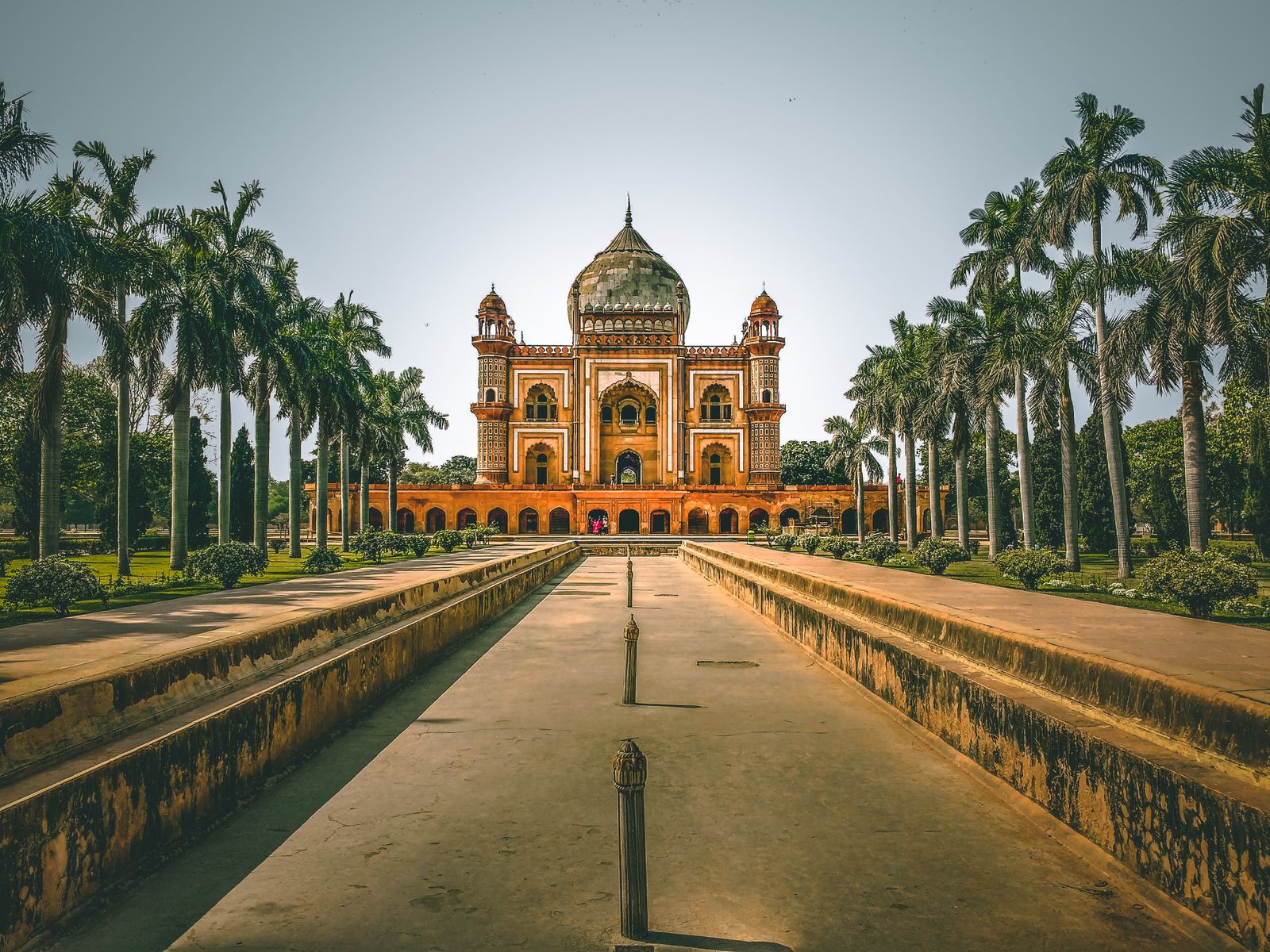
Mount Sinai & dawn
Climbing Mount Sinai overnight for sunrise is one of Egypt’s most memorable experiences. Steps and camel paths lead through cold mountain air until the peninsula turns gold — a pilgrimage of effort and light.
Tradition identifies this peak as the mountain where Moses received the Ten Commandments, a story shared across Judaism, Christianity, and Islam, which is part of why the climb has drawn pilgrims and travelers alike for well over a thousand years.
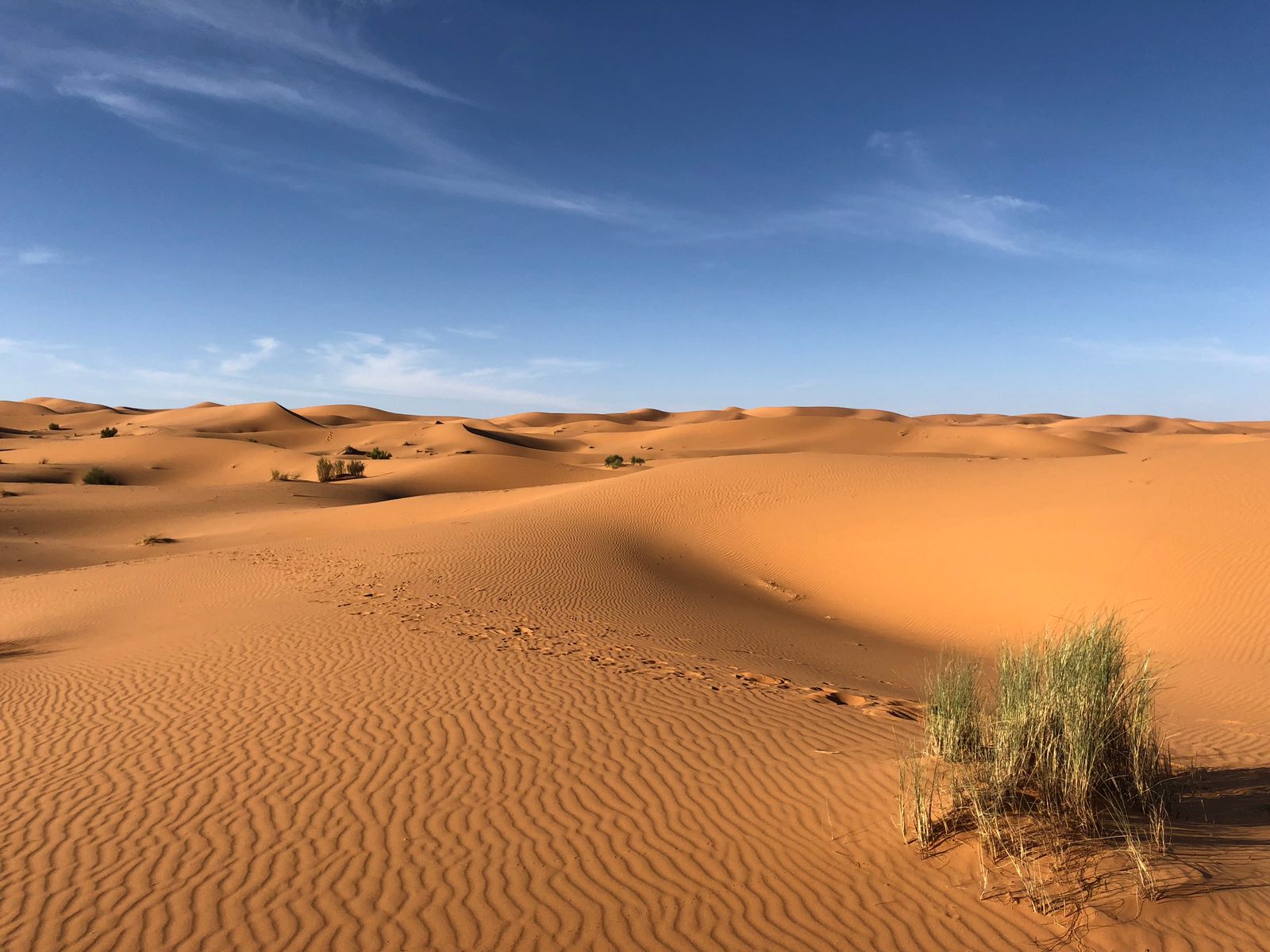
A landscape of faith & geology
South Sinai’s mountains are granite, not the sandstone and limestone familiar from the Nile Valley, giving the peninsula’s peaks a sharper, more dramatic silhouette. That same granite mass has sheltered hermits, monks, and Bedouin communities for centuries, layering religious history over some of Egypt’s oldest exposed rock.
St. Catherine’s Monastery
At the mountain’s foot, St. Catherine’s Monastery shelters centuries of Christian heritage, including a library of extraordinary manuscripts and a living monastic community in a starkly beautiful setting.
Founded in the sixth century under Byzantine emperor Justinian, it is one of the oldest continuously operating Christian monasteries in the world. Its library holds one of the most significant collections of early manuscripts and icons anywhere, second in importance only to the Vatican’s own holdings by some scholarly accounts.
- Overnight Mount Sinai ascent
- St. Catherine’s Monastery visit
- Bedouin-guided desert walks
- Coastal pairing with Red Sea resorts
Desert camps & Bedouin hospitality
Away from the mountain and monastery, South Sinai’s interior opens into canyons, palm-filled wadis, and star-filled desert camps run by local Bedouin guides. An evening around a fire with sweet tea and flatbread, followed by a night under an unusually clear desert sky, is often remembered as fondly as the sunrise climb itself.
Food & atmosphere
Bedouin-run camps and small guesthouses often serve simple, hearty meals — grilled meats, rice, flatbread, and sweet tea cooked over open fires. It is a plainer, more communal style of eating than Cairo or Luxor’s restaurant scene, and part of what makes an inland Sinai night feel distinct from the rest of an Egypt itinerary.
Practical tips for visiting
- Nights on the mountain and in the desert get cold even when the coast is warm — pack real layers, not just a light jacket.
- Sturdy shoes matter for the Mount Sinai path; camels can carry you partway up, but the final steps are on foot regardless.
- Modest dress is expected at St. Catherine’s Monastery, as at any active religious site.
- Book a licensed Bedouin guide for desert walks — they know routes, water sources, and safety conditions far better than a solo attempt would allow.
How many days & what’s nearby
One night suffices for the classic Mount Sinai climb and monastery visit; two to three days let you add desert camps, canyon walks, and a slower pace between them. Sharm el-Sheikh and the Red Sea coast sit close enough to combine mountain nights with reef days in a single trip.
A different Egypt
Sinai is not about pyramids — it is about landscape, faith, and quiet. For travelers who want contrast after Cairo and Luxor, the peninsula offers spiritual scale and empty horizons few other places can match.
Best time to visit
October through April brings cooler, climb-friendly nights on Mount Sinai; midsummer ascents are still possible but hot even after dark at lower elevations. Whatever the season, bring warm layers for the pre-dawn summit regardless of how hot the day felt below.
The overnight climb, step by step
Most groups leave around midnight, walking or riding partway by camel before continuing on foot up the Steps of Repentance or the camel path. The last stretch is steep. At the summit, people wrap in blankets, wait for first light, and watch the peninsula turn from black to gold. Descent in daylight is easier on the knees but hard on the sun — start early enough that you are not still high on the mountain at midday in summer.
Hire a licensed Bedouin guide through a reputable operator. The mountain is sacred ground for many visitors; move quietly, pack out rubbish, and dress for cold wind even if the desert floor felt warm when you left.
Practical tips
- Bring a headlamp, water, snacks, and layers — temperatures drop sharply before dawn.
- Confirm monastery opening hours; they can be limited and closed on certain days.
- Combine Sinai with Sharm el-Sheikh if you want reefs after the mountains.
- Allow recovery time after the climb before a long drive or dive day.
- Respect photography rules inside the monastery and sacred spaces.
Desert & Bedouin hospitality
Beyond the classic climb, guided walks through canyons and overnight desert camps introduce Sinai’s quieter side — tea by the fire, star-filled skies, and landscapes that feel far from the Nile’s density. This is Egypt at its most elemental: rock, silence, and sky.