
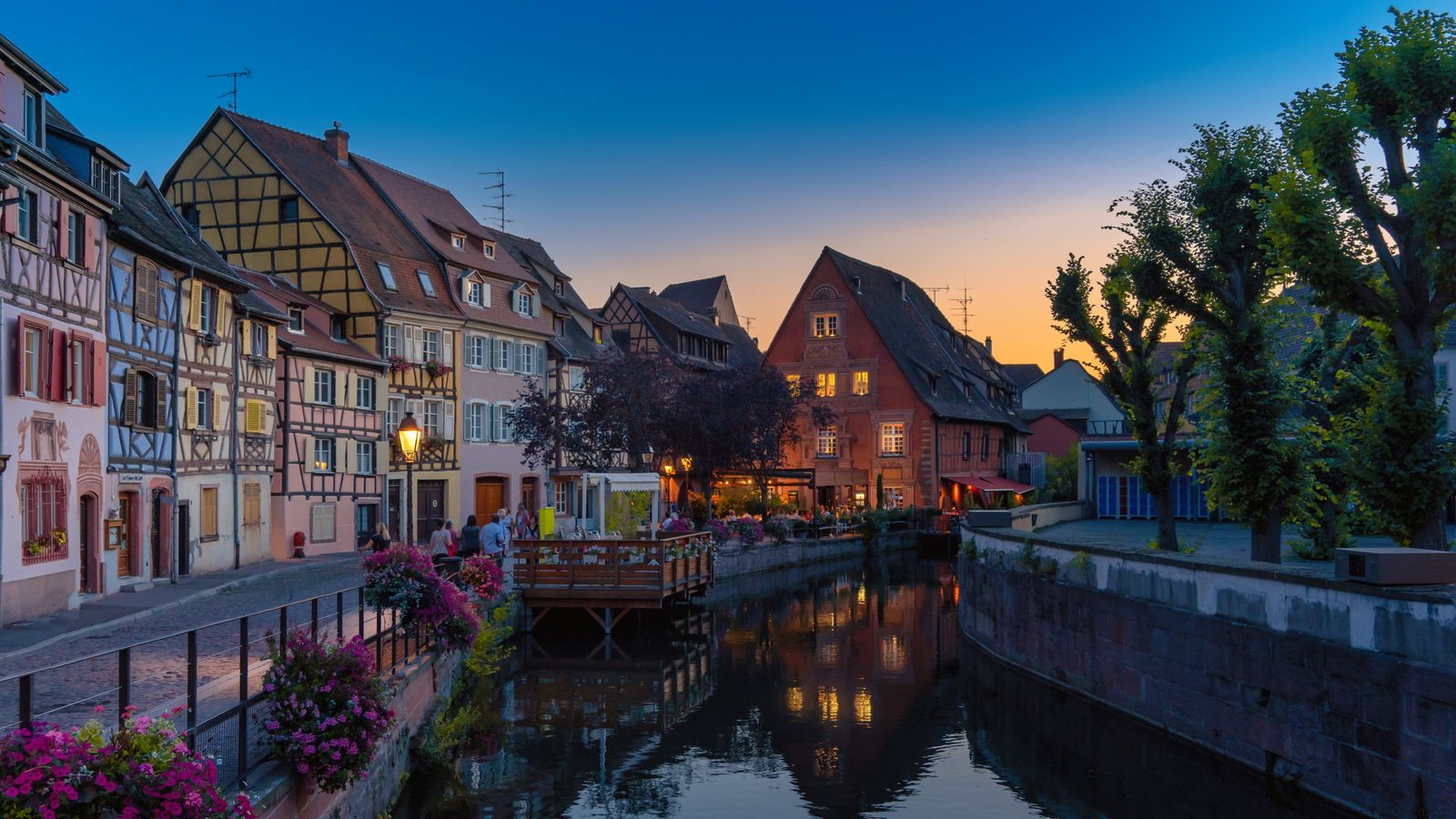
City of the sea
Alexandria faces the Mediterranean with a Corniche that invites long walks, seafood dinners, and cooler air after Cairo’s inland heat. Founded by Alexander and shaped by dynasties of learning, it remains Egypt’s most open coastal metropolis.
Its founder, Alexander the Great, laid out the city in 331 BCE with an eye on trade and learning rather than temples alone, and his successors, the Ptolemies, turned it into the intellectual capital of the ancient Mediterranean — a city where Greek, Egyptian, and later Roman culture met, argued, and cross-pollinated for centuries.
A city built for scholars
Ancient Alexandria was home to the legendary Great Library, believed to have held hundreds of thousands of scrolls, and to the Mouseion, an early research institution where scholars pursued mathematics, medicine, and astronomy under royal patronage. Euclid and Eratosthenes both worked in the city’s intellectual orbit, part of a golden age of scholarship rarely matched before the modern era.
The original library and its famous lighthouse, the Pharos — one of the Seven Wonders of the Ancient World — are long gone, lost to fire, earthquake, and time, but their legend still shapes how the city presents itself today.
Libraries & landmarks
The modern Bibliotheca Alexandrina recalls the ancient library’s ambition with architecture, exhibitions, and a sense of cultural continuity. Nearby, Qaitbay Citadel stands where the legendary lighthouse once rose — a fortress on the edge of the harbor.
Beneath the modern city, the Catacombs of Kom el Shoqafa reveal a striking fusion of Egyptian, Greek, and Roman funerary styles carved three levels into the rock, while Pompey’s Pillar and the nearby Roman Amphitheatre trace the centuries when Alexandria was one of the empire’s great port cities.
- Bibliotheca Alexandrina
- Qaitbay Citadel
- Catacombs of Kom el Shoqafa
- Roman Amphitheatre & Pompey’s Pillar
Markets, seafood, & Corniche life
Alexandria’s covered markets and fish halls near the harbor are worth a wander even if you aren’t buying — spice stalls, fruit sellers, and fishmongers laying out the morning catch on ice give a good sense of daily coastal life away from the monuments.
The city is known across Egypt for its seafood: grilled sea bream, shrimp tagine, and fried calamari served simply, often within sight of the water. Pair a seafood lunch with a slow Corniche walk toward Qaitbay at golden hour for one of the most relaxed afternoons Egypt offers.
Practical tips for visiting
- Trains from Cairo are frequent and comfortable — often a more relaxed option than driving for a day trip.
- The Bibliotheca Alexandrina and catacombs both benefit from a guide who can unpack their layered history.
- Bring a light jacket even in warmer months; sea breezes keep evenings noticeably cooler than inland Egypt.
- Friday afternoons can be quieter at some sites and busier at others around prayer times — flexible planning helps.
Day trip from Cairo & how many days
Many visitors make Alexandria a full day from Cairo (roughly 2.5–3 hours each way). Overnight stays reward you with quieter mornings and evening Corniche light without the rush back to the capital.
One full day covers the highlights at a comfortable pace; two days allow time for the markets, a longer seafood lunch, and a proper Corniche sunset without watching the clock for the return train.
Best time to visit
Alexandria is enjoyable year-round thanks to its coastal climate, milder than inland Egypt in summer and mild rather than harsh in winter. Spring and autumn bring the clearest skies and most comfortable walking weather, while winter occasionally brings rain and stronger Mediterranean winds along the Corniche.
Food & sea air
Seafood is Alexandria’s calling card. Fresh grilled fish, shrimp, and calamari appear on menus along the Corniche and in the Anfushi district, often with simple salads, tahini, and flatbread. Pair a long lunch with a walk afterward — this is a city that rewards lingering more than racing between sites.
Café culture runs deep here. Stop for coffee or fresh juice between the Bibliotheca and Qaitbay, and you will feel why Alexandrians speak of their city with a different pride than Cairo’s — cooler air, sea light, and a literary reputation that still shapes local identity.
Practical tips
- Trains from Cairo take roughly 2.5–3 hours; book a comfortable class and travel early if you are doing a day trip.
- Combine Bibliotheca Alexandrina with Qaitbay Citadel in one coastal morning, then Greco-Roman sites inland in the afternoon.
- Bring a light jacket in winter — Mediterranean wind along the Corniche can feel cooler than Cairo.
- Overnight stays let you see the harbor lights without watching the clock for a return train.